
 English
 中文
中文

 Click:1132
 Time:2026-04-11 09:58:10
Leading Global Compliance: In-depth Dissection of the New IS/IEC 62368-1:2023 Electronic Safety Standard
In today's increasingly complex e-commerce environment, IS/IEC 62368-1:2023 (4th Edition) has officially taken over as the core guideline for audio, video, information and communication technology equipment. Unlike the traditional "standard listing system", this standard thoroughly implements the concept of "Hazard Based Safety Engineering (HBSE)".
I. Core Evolution: What is the HBSE Hazard Protection Logic?
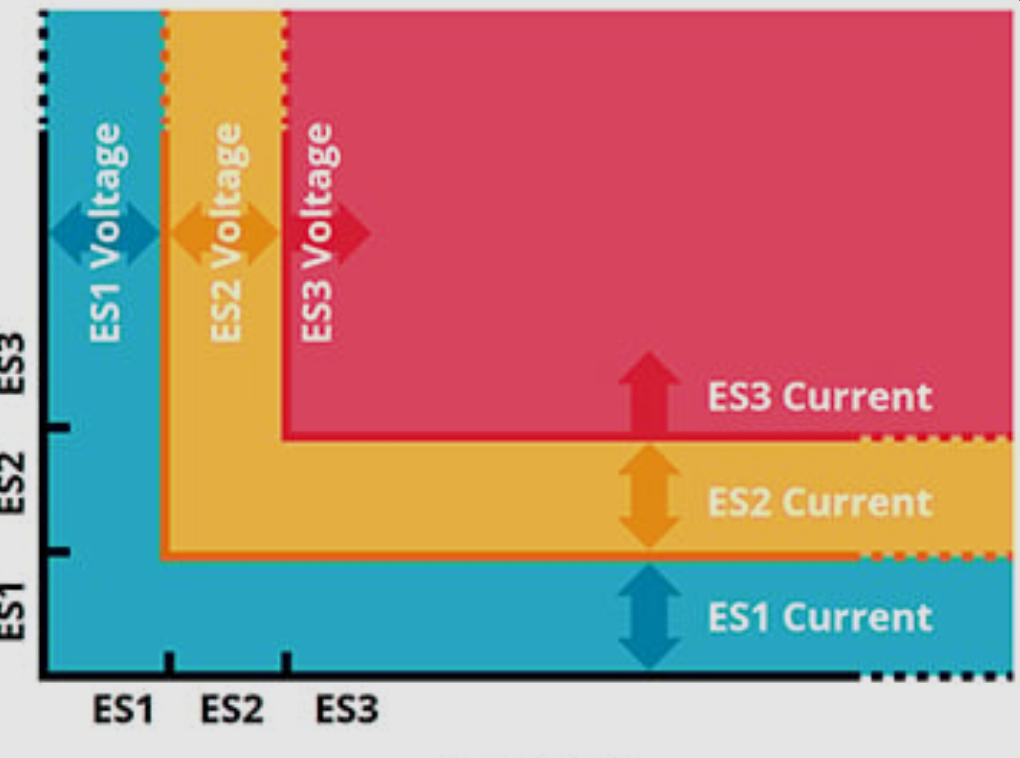
HBSE logic is the soul of the 62368 series of standards. It no longer mechanically defines the dimensions of parts but rather defines safety boundaries through the classification of energy sources. According to the magnitude of current, voltage and power, the standard classifies energy into three grades:
- Class 1 (ES1/TS1) : Basically asymptomatic, usually safe for the human body, no additional protection required.
- Class 2 (ES2/TS2) : There is pain but no physical harm, and a basic layer of protection is required.
- Class 3 (ES3/TS3) : May cause severe electric shock or burns. Double or enhanced protection is mandatory.
Ii. Three Key Areas for Revision in the Fourth Edition 2023
The CCJC Technology Center, through comparison, found that the 2023 version of the standard has been substantially strengthened in the following areas:
A brand-new specification for liquid cooling technology
With the popularization of high-performance computing devices (HPCS), liquid cooling has become mainstream. The new version of the standard has proposed clear test paths for the chemical properties, electrical insulation performance and enclosure pressure balance of the cooling liquid in the immersion cooling technology.
2. Enhanced safety of lithium batteries and charging circuits
The new version has strengthened the fault simulation requirements for the battery management system (BMS). Chengce Testing suggests that enterprises pay close attention to whether the protection circuit can effectively cut off the energy flow to prevent thermal runaway after the failure of a single-point component in a high-load charging environment.
3. Detailed revisions to the fireproof enclosure
The tests for Fire Enclosure are more rigorous, especially for the "melting and dripping" phenomenon that may be caused by the opening at the bottom of the equipment. The criteria for determining the physical interval and the flame retardancy grade of the material have been refined.
Iii. Why Choose CCJC for certification services?
As a leading third-party testing institution in China, CCJC (Chengce Testing) holds dual qualifications of CNAS and CMA and can provide enterprises with
- Structural compliance pre-evaluation: Intervene during the R&D stage to reduce the cost of rectification in the later stage.
- One-stop global certificate application: Covering mainstream certifications such as CE, UL, CCC, and CB.
- Latest standard analysis Training: Assist R&D teams in quickly grasping the core essence of IS/IEC 62368-1:2023.