
 English
 中文
中文
-

What are the battery certifications? What are the standards for battery certification
-
Leading Global Compliance: In-depth Dissection of the New IS/IEC 62368-1:2023 Electronic Safety Standard
-

2026 India BIS Update Barometer: Countdown to Mandatory Version Replacement for XR and Electronic Products
-
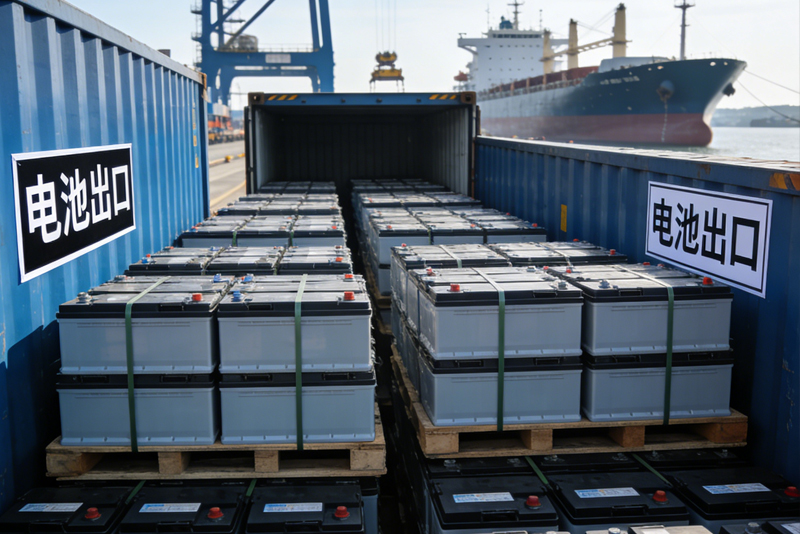
2026 Latest Guide: What Certification Materials are needed for Battery exports to the United States?
-
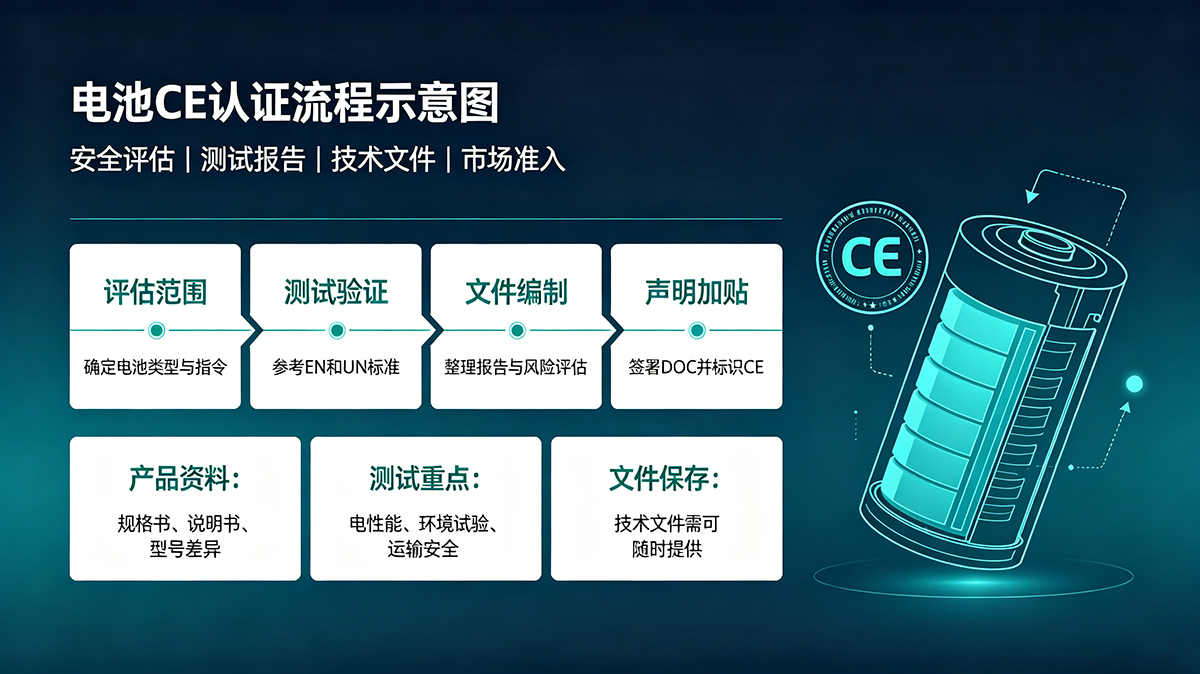
How to obtain the EU CE certification? Compliance Guide for Battery Exports to Europe
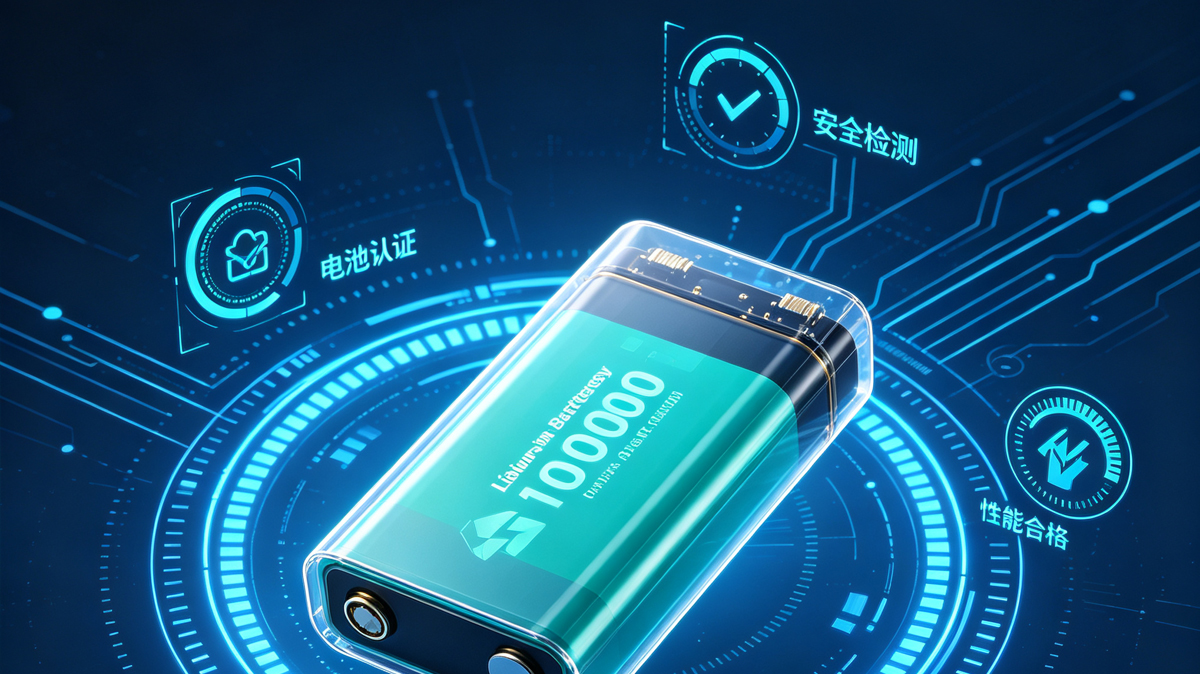
What certifications are required for battery exports to Europe? Key Points Analysis of CE Certification
The export of batteries to Europe requires not only production capacity but also compliance with the regulatory requirements of the target market. As an important compliance step in the European market, the EU CE certification requires enterprises to plan in combination with product types, safety standards and regulatory requirements.
How to obtain the EU CE certification? Compliance Guide for Battery Exports to Europe
For battery enterprises, entering the European market requires not only focusing on product performance but also attaching great importance to regulatory compliance. The EU CE certification is not only a testing requirement but also an important way for enterprises to establish a product safety system. Understanding the battery CE certification process in advance, clarifying the testing standards and improving the technical data can help enterprises reduce export risks and enhance the stability of their products entering the European market.
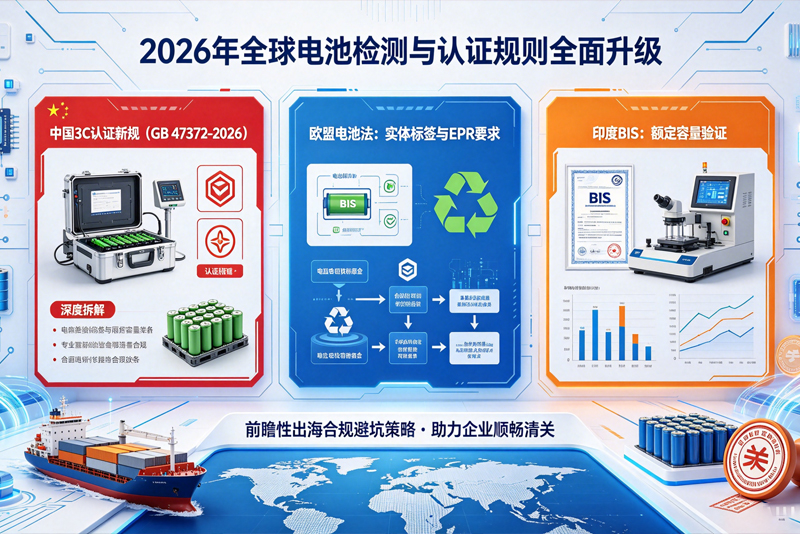
A Comprehensive Analysis of the New Battery Testing and Certification Regulations: Advanced Guidelines for Battery Customs Clearance and Compliance in Various Countries in 2026
With the continuous upgrading of global green and low-carbon transformation and consumer electronics safety regulation, the testing and certification standards of the battery industry have undergone an all-round iteration in 2026. From the update of the new national standards for domestic mobile power banks and the 3C certification rules, to the implementation of the entity labels under the new EU battery Law, and then to the tightening of testing requirements in emerging markets, major economies around the world are reshaping the battery supply chain with stricter "compliance access vouchers". This article provides you with an in-depth analysis of the new trends in global battery customs clearance and compliance in 2026, helping you make precise plans and break through to go global.
How to apply for 3C certification for lithium batteries? Understand the latest mandatory standards and the list of application materials in one article
 Click:1316编辑: 诚测电池认证机构
 Time:2026-04-03 14:51:09
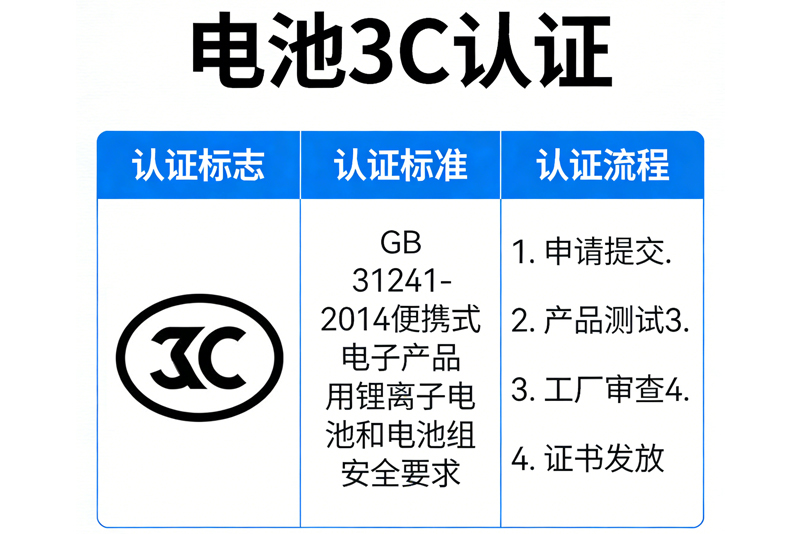
With the in-depth implementation of the "Safety Technical Specification for Lithium-ion Batteries and Battery Packs for Portable Electronic Products" (GB 31241-2022), starting from 2026, batteries and power banks without CCC certification are strictly prohibited from being manufactured and sold. The editor of Chengce Battery Certification Institution will provide a detailed interpretation of the new standard requirements, applicable scope and specific processing steps for battery 3C certification.
I. Which batteries need to obtain 3C certification?
According to the Compulsory Product Certification Catalogue released by the Certification and Accreditation Administration of the People's Republic of China, the current scope of supervision mainly includes
Lithium-ion batteries and battery packs for portable electronic products: such as mobile phone batteries, laptop batteries, tablet computer batteries, Bluetooth headset batteries, wearable device batteries, etc.
Power banks (Class 0914) : including power banks, portable energy storage power sources (mass ≤18kg), camping power banks, etc.
Note: Batteries for electronic cigarettes are not currently included in the list of mandatory 3C certification, but they must comply with relevant industry standards.
Ii. Core Changes of the New 3C Certification Standard for Batteries (GB 31241-2022
The focus of compliance checks in 2026 has shifted to the GB 31241-2022 standard. Compared with the old version, the new standard has put forward higher requirements in terms of security:
Overcharge protection upgrade: The test voltage is raised to 1.3 times the charging limit voltage, and a dual protection circuit is required.
New lithium plating detection: Conduct lithium plating detection on batteries after 300 charge and discharge cycles to strictly prevent the risk of thermal runaway after long-term use.
Mandatory marking of safety period: Power banks must prominently mark "Recommended safe service life" to remind consumers to replace old products in a timely manner.
Traceability uniqueness: The product must have a unique code, covering the information of the battery cell manufacturer, to achieve full life cycle traceability.
Iii. Illustrated Process for Obtaining 3C Certification for Batteries
Certification application: Submit the application form online to the certification body designated by the Certification and Accreditation Administration of the People's Republic of China (such as CQC, CESI, etc.).
Document review: The institution conducts an initial review of the business license, product manual, and list of key components (battery cells, protection boards, MOSFETs, etc.).
Sample submission for testing: Send the samples to a qualified laboratory to conduct environmental tests, electrical safety tests and battery pack protection circuit tests in accordance with GB 31241-2022.
Factory inspection: Auditors conduct on-site verification of the quality assurance capabilities of manufacturing enterprises (some small and micro enterprises may apply for simplified procedures in 2026).
Assessment and Certification: After passing the inspection and factory audit, a CCC certification certificate will be issued.
Iv. List of Core Materials Required for Application
Basic proof: Business licenses and organization code of the applicant, manufacturer and production plant.
Technical documents: Product specification sheet, circuit diagram, assembly drawing, Chinese nameplate (including rated energy Wh, production date, etc.).
List of key components: including battery cell specifications, protection IC model, fire resistance rating certificate of the casing, etc.
Quality documents: Description of factory quality assurance capability or ISO 9001 system certificate (if any).
V. Suggestions from CCJC Certification Body: How to Increase the Audit Pass Rate?
Battery cell first: Ensure that the battery cells used have obtained separate CCC certification in advance or meet the requirements of GB 31241. This can significantly shorten the certification cycle of the entire machine.
Marking standards: Starting from 2026, customs and market inspections will impose very strict requirements on the font size and rated capacity marking method of Chinese markings. It is essential to strictly design and layout in accordance with the standards.
Pre-test: Conduct simulated overcharge and squeeze tests before the official sample submission to avoid additional costs resulting from retesting due to non-compliance.
The 3C certification for batteries is not only a legal document for entering the market, but also a strong endorsement for product safety. In the highly competitive market of 2026, obtaining licenses and permits as early as possible is the core competitiveness for enterprises to avoid the risk of delisting and win the trust of consumers.
相关BlOG
-
What certifications are required for battery exports to Europe? Key Points Analysis of CE Certification
The export of batteries to Europe requires not only production capacity but also compliance with the regulatory requirements of the target market. As an important compliance step in the European market, the EU CE certification requires enterprises to plan in combination with product types, safety standards and regulatory requirements.
9132026-07-10
-
How to obtain the EU CE certification? Compliance Guide for Battery Exports to Europe
For battery enterprises, entering the European market requires not only focusing on product performance but also attaching great importance to regulatory compliance. The EU CE certification is not only a testing requirement but also an important way for enterprises to establish a product safety system. Understanding the battery CE certification process in advance, clarifying the testing standards and improving the technical data can help enterprises reduce export risks and enhance the stability of their products entering the European market.
8072026-07-06
-
A Comprehensive Analysis of the New Battery Testing and Certification Regulations: Advanced Guidelines for Battery Customs Clearance and Compliance in Various Countries in 2026
With the continuous upgrading of global green and low-carbon transformation and consumer electronics safety regulation, the testing and certification standards of the battery industry have undergone an all-round iteration in 2026. From the update of the new national standards for domestic mobile power banks and the 3C certification rules, to the implementation of the entity labels under the new EU battery Law, and then to the tightening of testing requirements in emerging markets, major economies around the world are reshaping the battery supply chain with stricter "compliance access vouchers". This article provides you with an in-depth analysis of the new trends in global battery customs clearance and compliance in 2026, helping you make precise plans and break through to go global.
5852026-07-23