
 English
 中文
中文
Current Location:Home
Certification Information
Hot News
-

The new IATA DGR regulations on the state of charge of lithium battery goods in 2026
-
Good News: Shenzhen Chengce Testing has been awarded the recognition certificate by China Classification Society (CCS)
-
The latest TIC verification requirements for lithium battery small appliances on Amazon Canada: A report issued by an SCC-accredited laboratory is required to pass the verification
-
Draft Supplementary authorization regulation for Regulation (EU) 2023/1542 on exemptions for removable and replaceable portable batteries
-
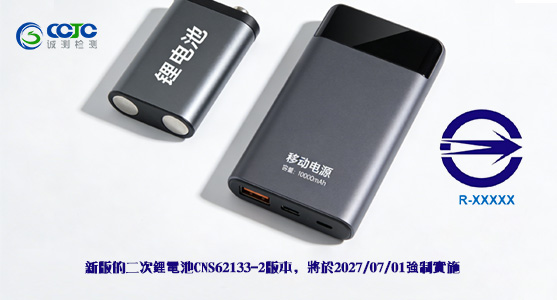
BSMI made an explanation and announcement regarding secondary lithium batteries and power banks on October 28, 2021
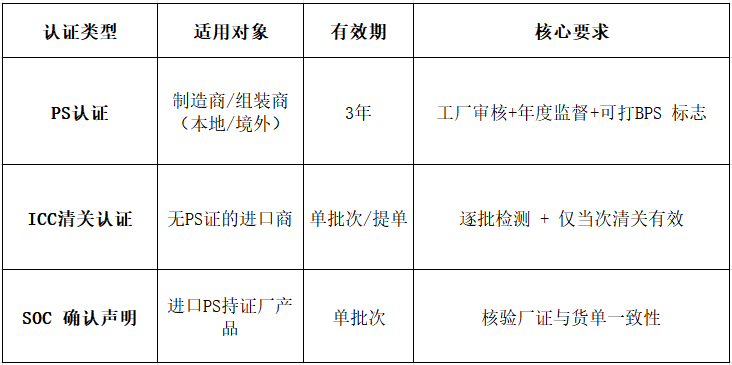
New mandatory certification regulations for power banks and portable power sources in the Philippines
 Click:6106Edit: 诚测认证
 Time:2026-04-20 09:09:40



Related News
-
The latest TIC verification requirements for lithium battery small appliances on Amazon Canada: A report issued by an SCC-accredited laboratory is required to pass the verification
The latest TIC verification requirements for lithium battery small appliances on Amazon Canada: A report issued by an SCC-accredited laboratory is required to pass the verification
912026-09-11
-
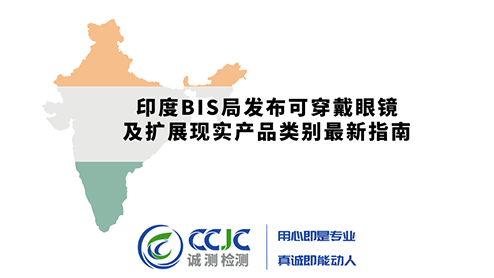
The BIS Bureau of India has released the latest guidelines for wearable glasses and extended reality product categories
The Bureau of Indian Standards (BIS) issued guidance on product categories under the Mandatory Registration Scheme (CRS) on August 13, 2026, clearly stipulating the mandatory registration product categories and product names for wearable glasses and extended reality products.
3002026-08-17
-
Good News: Shenzhen Chengce Testing has been awarded the recognition certificate by China Classification Society (CCS)
Recently, Shenzhen Chengce Testing Technology Co., LTD. (CCJC) successfully passed the strict review of the entire process by China Classification Society (CCS) and officially obtained the CCS Product Testing and Experimental Institution Accreditation Certificate
9612026-06-29