
 English
 中文
中文
-

What are the battery certifications? What are the standards for battery certification
-
Leading Global Compliance: In-depth Dissection of the New IS/IEC 62368-1:2023 Electronic Safety Standard
-
2026 India BIS Update Barometer: Countdown to Mandatory Version Replacement for XR and Electronic Products
-
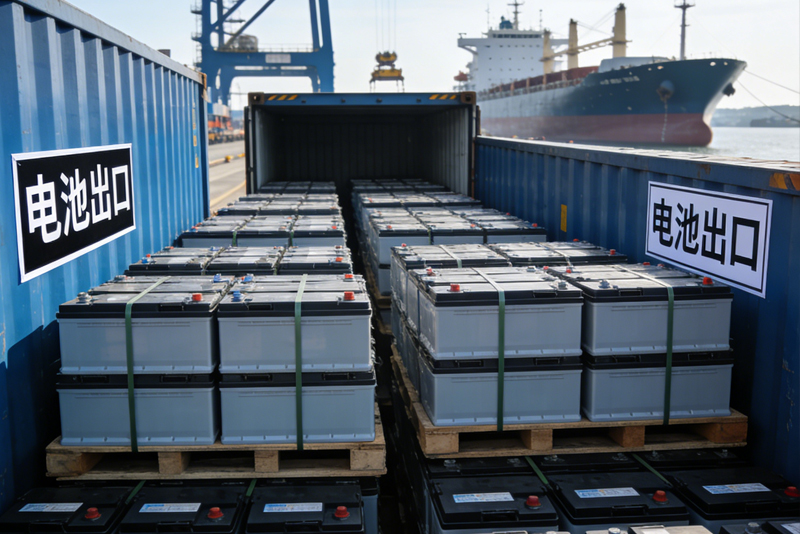
2026 Latest Guide: What Certification Materials are needed for Battery exports to the United States?
-
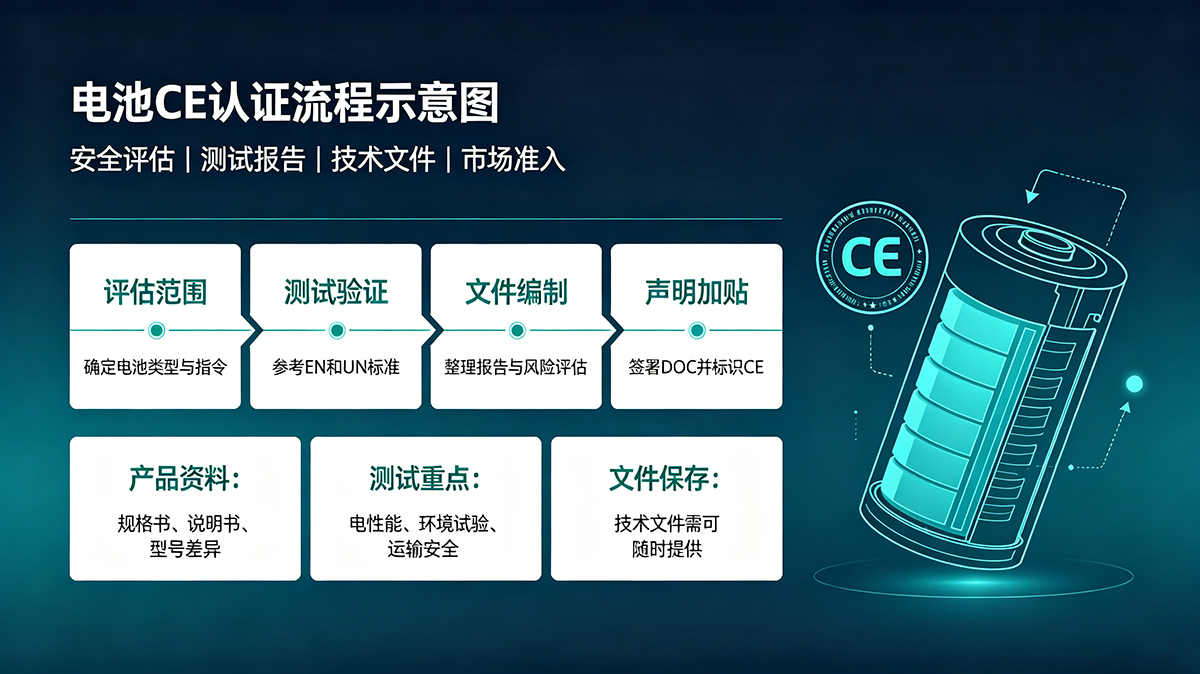
How to obtain the EU CE certification? Compliance Guide for Battery Exports to Europe
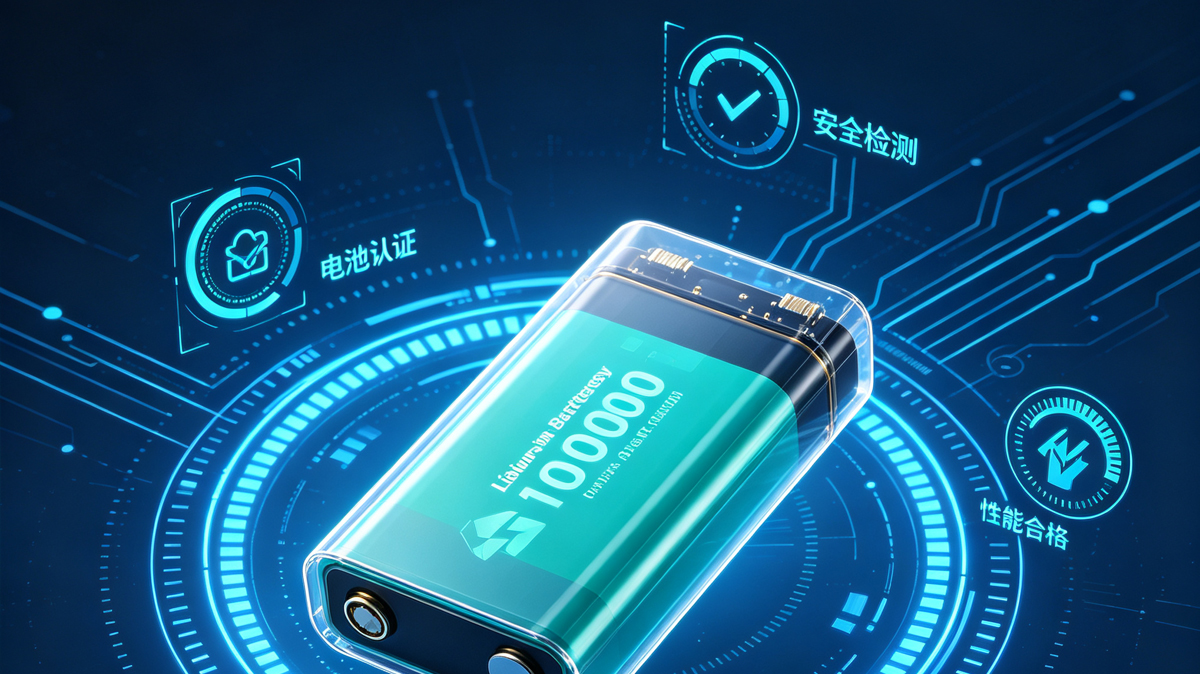
What certifications are required for battery exports to Europe? Key Points Analysis of CE Certification
The export of batteries to Europe requires not only production capacity but also compliance with the regulatory requirements of the target market. As an important compliance step in the European market, the EU CE certification requires enterprises to plan in combination with product types, safety standards and regulatory requirements.
How to obtain the EU CE certification? Compliance Guide for Battery Exports to Europe
For battery enterprises, entering the European market requires not only focusing on product performance but also attaching great importance to regulatory compliance. The EU CE certification is not only a testing requirement but also an important way for enterprises to establish a product safety system. Understanding the battery CE certification process in advance, clarifying the testing standards and improving the technical data can help enterprises reduce export risks and enhance the stability of their products entering the European market.
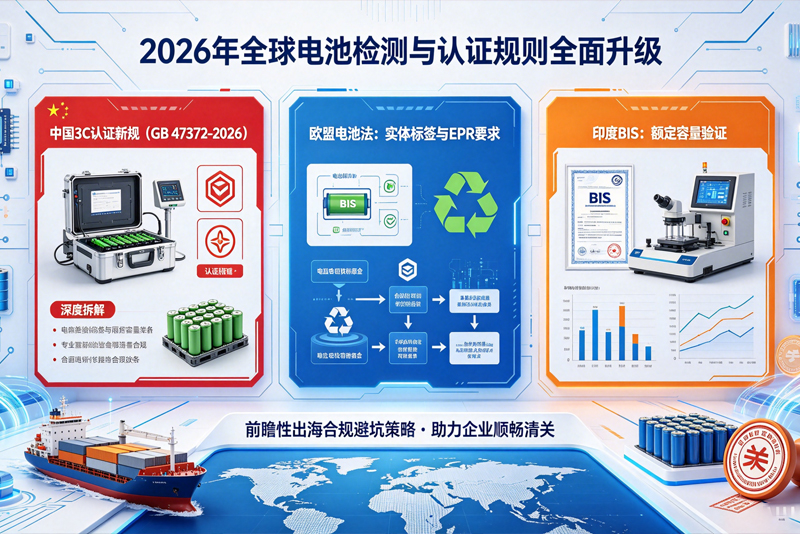
A Comprehensive Analysis of the New Battery Testing and Certification Regulations: Advanced Guidelines for Battery Customs Clearance and Compliance in Various Countries in 2026
With the continuous upgrading of global green and low-carbon transformation and consumer electronics safety regulation, the testing and certification standards of the battery industry have undergone an all-round iteration in 2026. From the update of the new national standards for domestic mobile power banks and the 3C certification rules, to the implementation of the entity labels under the new EU battery Law, and then to the tightening of testing requirements in emerging markets, major economies around the world are reshaping the battery supply chain with stricter "compliance access vouchers". This article provides you with an in-depth analysis of the new trends in global battery customs clearance and compliance in 2026, helping you make precise plans and break through to go global.
What are the battery certifications? What are the standards for battery certification
 Click:854编辑: 诚测电池认证
 Time:2026-03-11 11:18:46
As a core component of various electronic products, the safety and compliance of batteries directly affect the market access and consumer trust of the products. Different countries and regions have established strict certification standards for battery products to ensure they meet safety, environmental protection and performance requirements. The following is an analysis of the battery certification types and corresponding standards in the major global markets compiled by the editor of Chengce Certification:
I. National/Regional Battery Certification and Standards
"1. China
● Certification types: CCC Certification (mandatory), CQC Certification (voluntary)
● Standard:
CCC Certification: GB 31241 (Safety Standard for Battery cells)
CQC certification: GB 31241 (not mandatory, but enhances product competitiveness)
● Note: CCC certification is mandatory. Products cannot be sold in the Chinese market without passing it. Although CQC certification is voluntary, it helps simplify the certification process for downstream products and reduce testing costs.

● Certification types: CE certification, Battery Directive, EMC certification
● Standard:
CE certification: EN 62133 (Battery Safety)
Battery Directive: 2006/66/EC (Environmental Protection and Recycling Requirements)
EMC Certification: 2014/30/EU (Electromagnetic Compatibility)
● Note: The CE marking is a necessary safety mark for entering the EU market. The Battery Directive regulates the restriction and recycling of hazardous substances.
3. United States
● Certification type: UL certification (voluntary, but highly recommended)
● Standard:
UL 1642: Safety for lithium battery cells
UL 2054: For battery packs (such as lithium battery packs)
Note: Although not mandatory, the lack of UL certification may lead to strict customs inspections and retailers' refusal to sell. UL standards serve as the basis for determining safety incidents.
4. Japan
● Certification types: PSE certification (mandatory), METI filing
● Standard:
PSE Certification: JIS C 8712, JIS C 8714 (Specific lithium-ion batteries)
● Note: The PSE certification requires the affixing of a circular logo. After passing the PSE, it is also necessary to file with the Ministry of Economy, Trade and Industry (METI), which will be completed by the Japanese trading company.
5. South Korea
● Certification Type: KC Certification (Mandatory)
● Standard: KC 62133:2019 (Latest version, replacing the old version)
● Note: It must be tested by a laboratory within South Korea. The certification is valid for 5 years and there will be no factory inspection during this period.
6. Taiwan, China
● Certification Type: BSMI Certification (Mandatory)
● Standard: CNS 15364 (Safety and Electromagnetic Compatibility)
● Note: A local company must hold a certificate. The certificate is valid for 3 years and an annual fee and extension are required.
Ii. International Transport Certification (Globally Applicable)
1. UN38.3 test
● Standard: Section 38.3 of the United Nations Manual on Testing and Criteria for the Transport of Dangerous Goods
● Requirements: All products containing lithium batteries (whether by air or sea) must pass safety performance tests and obtain transportation appraisal reports.
2. MSDS (Material Safety Data Sheet) :
● Content: Clarify the physical and chemical properties of the battery, its health hazards, and emergency response measures.
● Note: Compiled by the manufacturer or professional institution to ensure safety during transportation and use.
3. Air/Sea Transport Appraisal Report:
● Requirement: Issued by an authorized institution (such as an institution recognized by the Civil Aviation Administration of China) to confirm that the product complies with transportation regulations.
Iii. The Importance and Suggestions of Certification
● Market access: Failure to obtain local certification may result in the product being prohibited from sale or transportation.
● Safety and Compliance: Certification tests (such as overcharge and short circuit tests) reduce the risk of accidents.
● Consumer trust: Certification marks (such as CE, UL) enhance product competitiveness.
● Plan ahead: The certification cycle is relatively long (for example, UL takes 4 to 6 weeks). It is recommended to prepare simultaneously during the product development stage.
Battery products need to obtain corresponding certifications in a targeted manner based on the target market and transportation demands to ensure compliance, safety and market competitiveness. Enterprises should closely monitor standard updates (such as changes in the KC standard version) to avoid affecting product circulation due to regulatory changes.
- Previous Article:2026 Latest Guide: What Certification Materials are needed for Battery exports to the United States?
- Next Article:
相关BlOG
-
What certifications are required for battery exports to Europe? Key Points Analysis of CE Certification
The export of batteries to Europe requires not only production capacity but also compliance with the regulatory requirements of the target market. As an important compliance step in the European market, the EU CE certification requires enterprises to plan in combination with product types, safety standards and regulatory requirements.
9132026-07-10
-
How to obtain the EU CE certification? Compliance Guide for Battery Exports to Europe
For battery enterprises, entering the European market requires not only focusing on product performance but also attaching great importance to regulatory compliance. The EU CE certification is not only a testing requirement but also an important way for enterprises to establish a product safety system. Understanding the battery CE certification process in advance, clarifying the testing standards and improving the technical data can help enterprises reduce export risks and enhance the stability of their products entering the European market.
8072026-07-06
-
A Comprehensive Analysis of the New Battery Testing and Certification Regulations: Advanced Guidelines for Battery Customs Clearance and Compliance in Various Countries in 2026
With the continuous upgrading of global green and low-carbon transformation and consumer electronics safety regulation, the testing and certification standards of the battery industry have undergone an all-round iteration in 2026. From the update of the new national standards for domestic mobile power banks and the 3C certification rules, to the implementation of the entity labels under the new EU battery Law, and then to the tightening of testing requirements in emerging markets, major economies around the world are reshaping the battery supply chain with stricter "compliance access vouchers". This article provides you with an in-depth analysis of the new trends in global battery customs clearance and compliance in 2026, helping you make precise plans and break through to go global.
5852026-07-23