
 English
 中文
中文
-

What are the battery certifications? What are the standards for battery certification
-
Leading Global Compliance: In-depth Dissection of the New IS/IEC 62368-1:2023 Electronic Safety Standard
-
2026 India BIS Update Barometer: Countdown to Mandatory Version Replacement for XR and Electronic Products
-
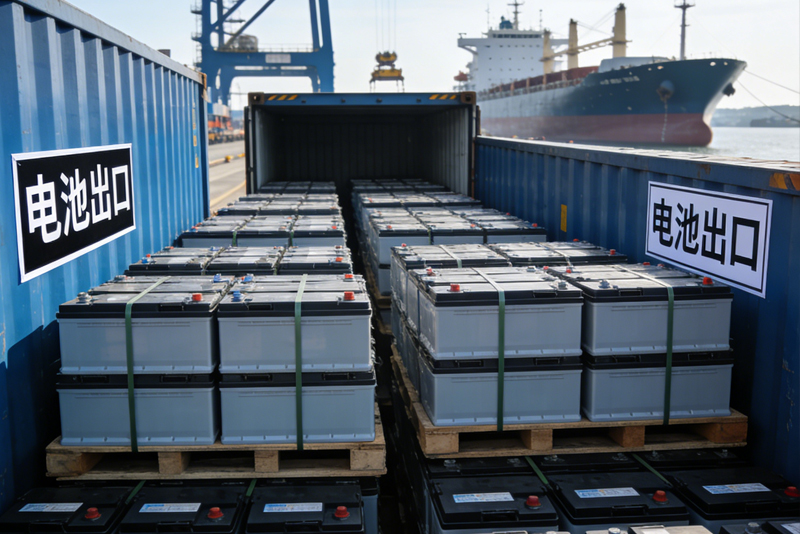
2026 Latest Guide: What Certification Materials are needed for Battery exports to the United States?
-
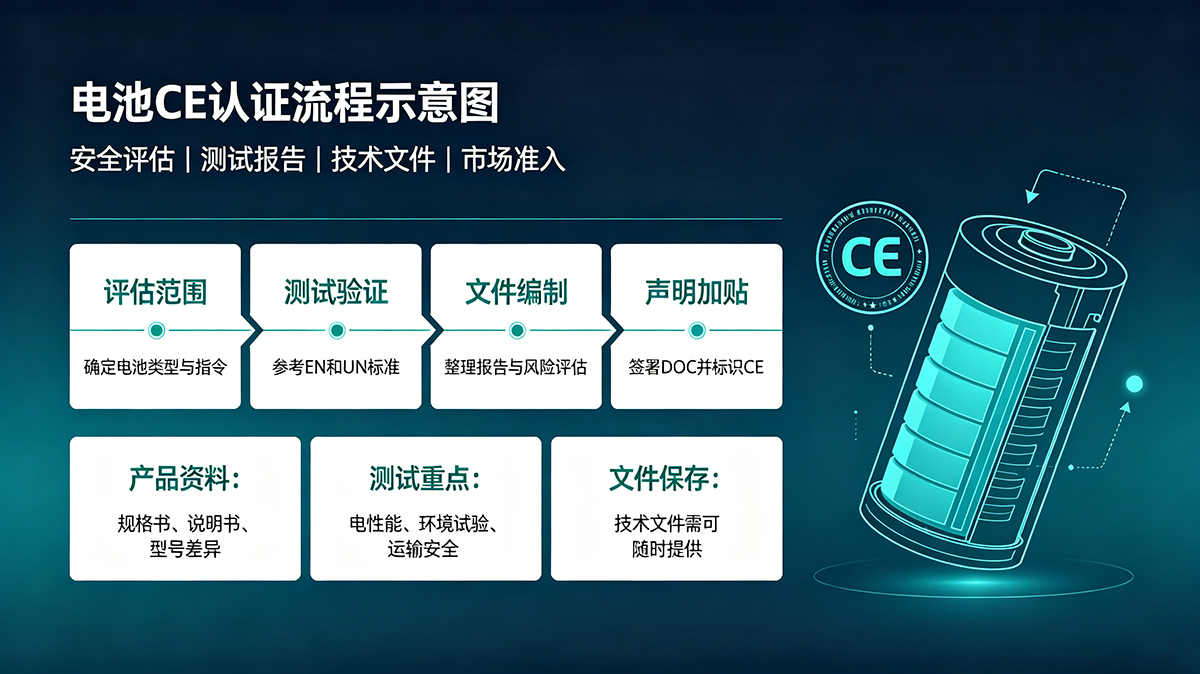
How to obtain the EU CE certification? Compliance Guide for Battery Exports to Europe
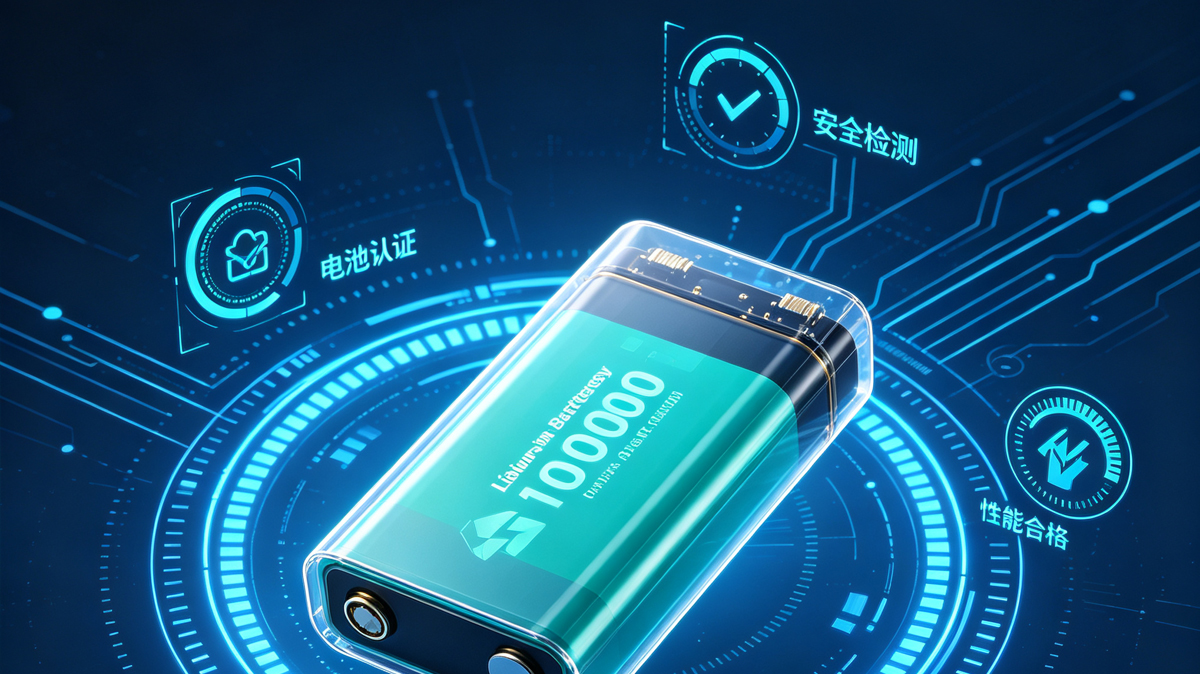
What certifications are required for battery exports to Europe? Key Points Analysis of CE Certification
The export of batteries to Europe requires not only production capacity but also compliance with the regulatory requirements of the target market. As an important compliance step in the European market, the EU CE certification requires enterprises to plan in combination with product types, safety standards and regulatory requirements.
How to obtain the EU CE certification? Compliance Guide for Battery Exports to Europe
For battery enterprises, entering the European market requires not only focusing on product performance but also attaching great importance to regulatory compliance. The EU CE certification is not only a testing requirement but also an important way for enterprises to establish a product safety system. Understanding the battery CE certification process in advance, clarifying the testing standards and improving the technical data can help enterprises reduce export risks and enhance the stability of their products entering the European market.
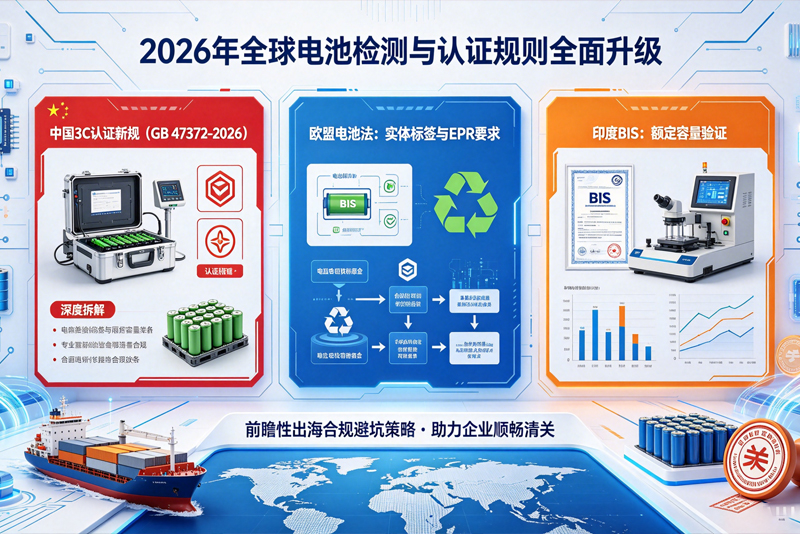
A Comprehensive Analysis of the New Battery Testing and Certification Regulations: Advanced Guidelines for Battery Customs Clearance and Compliance in Various Countries in 2026
With the continuous upgrading of global green and low-carbon transformation and consumer electronics safety regulation, the testing and certification standards of the battery industry have undergone an all-round iteration in 2026. From the update of the new national standards for domestic mobile power banks and the 3C certification rules, to the implementation of the entity labels under the new EU battery Law, and then to the tightening of testing requirements in emerging markets, major economies around the world are reshaping the battery supply chain with stricter "compliance access vouchers". This article provides you with an in-depth analysis of the new trends in global battery customs clearance and compliance in 2026, helping you make precise plans and break through to go global.
How to obtain KC battery certification? Guide for Lithium Battery Enterprises Exporting to South Korea
 Click:892编辑: 诚测检测CCJC
 Time:2026-08-03 15:08:23
For battery enterprises planning to enter the South Korean market, having their products pass domestic tests does not mean they can be sold directly. The South Korean market has clear requirements for the safety management of electronic products and batteries. Among them, KC battery certification has become a compliance matter that many lithium battery products need to pay close attention to before entering the South Korean market.
Many enterprises encounter several practical problems when preparing to export to South Korea:
"If there is already an IEC test report, is KC certification still necessary?" "
What documents are needed for exporting lithium batteries to South Korea?
Do batteries of different capacities and models need to be re-certified?
These problems reflect that enterprises have insufficient understanding of the certification system in South Korea.
KC certification is not merely a test report; rather, it is an important method for evaluating the safety performance of products in accordance with relevant regulations and standards in South Korea. As battery products involve energy storage and usage safety, it is even more necessary to plan the certification scheme in advance.
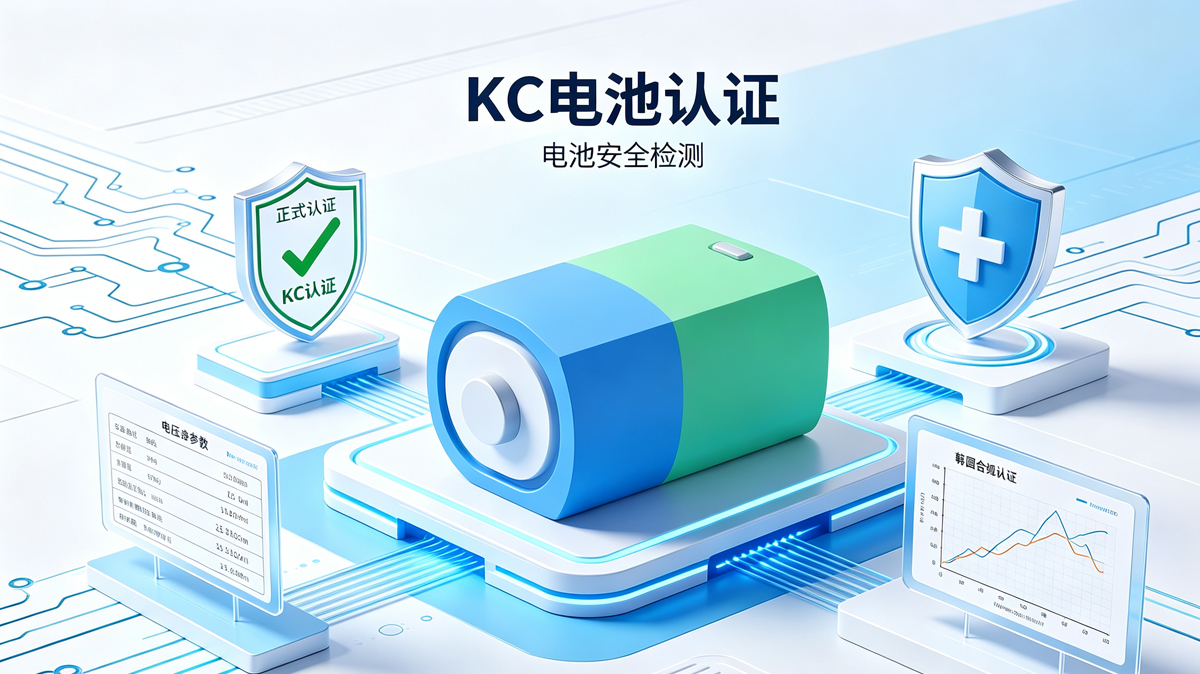
KC is the unified Certification mark of South Korea, and its full name is Korea Certification.
This certification system is mainly used to confirm whether products meet the safety standards of South Korea.
Rechargeable lithium-ion battery
Lithium battery pack
Batteries for some portable electronic devices
Mobile power supply products
Due to different application scenarios, the certification requirements for various products may also vary.
Mobile phone batteries pay more attention to safety performance under high energy density conditions.
For mobile power banks, it is necessary to take into account the battery cells, circuit protection and overall structural safety simultaneously.
For industrial application batteries, the certification scheme needs to be determined in combination with the specific usage environment.
The consumer and market regulatory system in South Korea has relatively high requirements for the safety of electronic products.
The influence of high-temperature environment
Overcharging and overdischarging
External shock
Long-term cyclic use
All these factors will affect product safety.
For enterprises, certification is not only a requirement for market access but also an important reference for optimizing product design.
The testing items for different products may vary, but common areas of concern include:
As the core component of a battery, the battery cell needs to be verified
Charge and discharge performance
Temperature stability
Safety in abnormal states
If the stability of the battery cells themselves is insufficient, the subsequent design of the battery pack will also be difficult to ensure safety.
2. Battery pack safety test
A battery pack involves multiple components:Battery cell
Protective plate
Connection structure
Shell
Tests usually focus on overall operational safety.
3. Abnormal environment testing
Including:High-temperature test
Temperature cycle
External short circuit
Extrusion test
These projects are mainly used to assess the risks of products under abnormal usage conditions.
The relevant standards for KC certification usually refer to the requirements of the KC 62133 series and are related to the safety testing system for lithium batteries.
Iv. What are the KC battery certification processes?
Enterprises applying for certification usually need to go through the following stages
First, make it clear:
Battery category
Use the equipment
Battery cell model
Product parameters
This is an important foundation for formulating the certification plan.
Common materials include:
Product Specification Sheet
Battery structure data
Circuit data
Product label
Instruction Manual
The models and parameters in the materials need to be consistent.
After submitting the samples, enterprises conduct safety tests in accordance with the standards.
If problems are found during the testing process, they need to be addressed
Battery cell selection
Protection plan
Structural design
Make adjustments.
After the test is passed, complete the document review in accordance with the Korean certification process and obtain the relevant certification documents.
Misconception 1: Having an IEC report means it can be used directly
Many enterprises believe that international test reports can completely replace Korean certifications.
In fact, it needs to be judged based on the regulations of South Korea and the specific circumstances of the product.
In some cases, the CB report can be used as a reference for application, but it is still necessary to meet the relevant requirements of South Korea.
Misconception 2: All lithium battery certification methods are the same
Different productsDifferent capacities
Different applications
Different structures
The corresponding certification schemes may be different.
Misconception 3: Consider certification only after the product has gone into mass production
If design issues are identified during the certification stage, they may affect:Product launch time
Production arrangement
Cost control
Therefore, it is recommended that enterprises plan for certification simultaneously during the R&D stage.
Vi. How can battery enterprises improve the efficiency of market access in South Korea?
Based on industry experience, enterprises can:First, confirm the target market in advance.
Due to the differences in sales channels in South Korea, there may be variations in requirements for product information.
Second, establish a complete technical file.
Including:
Product specification
Test record
Version change
Convenient for subsequent maintenance.
Third, choose a testing institution that is familiar with the battery certification process.
For instance, Shenzhen Chengce Testing has long been providing international certification services for battery products and can assist enterprises in evaluating KC battery certification schemes.
Whether it is lithium-ion batteries, power banks or other portable battery products, the certification path needs to be confirmed according to the actual application.
Planning the KC battery certification process in advance, improving technical documentation and safety tests can help enterprises enter the South Korean market more stably.
相关BlOG
-
What certifications are required for battery exports to Europe? Key Points Analysis of CE Certification
The export of batteries to Europe requires not only production capacity but also compliance with the regulatory requirements of the target market. As an important compliance step in the European market, the EU CE certification requires enterprises to plan in combination with product types, safety standards and regulatory requirements.
9102026-07-10
-
How to obtain the EU CE certification? Compliance Guide for Battery Exports to Europe
For battery enterprises, entering the European market requires not only focusing on product performance but also attaching great importance to regulatory compliance. The EU CE certification is not only a testing requirement but also an important way for enterprises to establish a product safety system. Understanding the battery CE certification process in advance, clarifying the testing standards and improving the technical data can help enterprises reduce export risks and enhance the stability of their products entering the European market.
8042026-07-06
-
A Comprehensive Analysis of the New Battery Testing and Certification Regulations: Advanced Guidelines for Battery Customs Clearance and Compliance in Various Countries in 2026
With the continuous upgrading of global green and low-carbon transformation and consumer electronics safety regulation, the testing and certification standards of the battery industry have undergone an all-round iteration in 2026. From the update of the new national standards for domestic mobile power banks and the 3C certification rules, to the implementation of the entity labels under the new EU battery Law, and then to the tightening of testing requirements in emerging markets, major economies around the world are reshaping the battery supply chain with stricter "compliance access vouchers". This article provides you with an in-depth analysis of the new trends in global battery customs clearance and compliance in 2026, helping you make precise plans and break through to go global.
5812026-07-23