
 English
 中文
中文
-

What are the battery certifications? What are the standards for battery certification
-
Leading Global Compliance: In-depth Dissection of the New IS/IEC 62368-1:2023 Electronic Safety Standard
-
2026 India BIS Update Barometer: Countdown to Mandatory Version Replacement for XR and Electronic Products
-
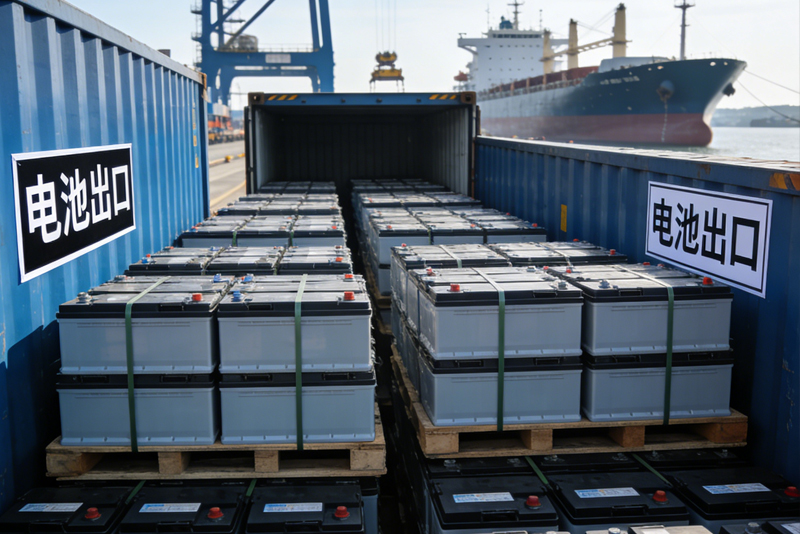
2026 Latest Guide: What Certification Materials are needed for Battery exports to the United States?
-
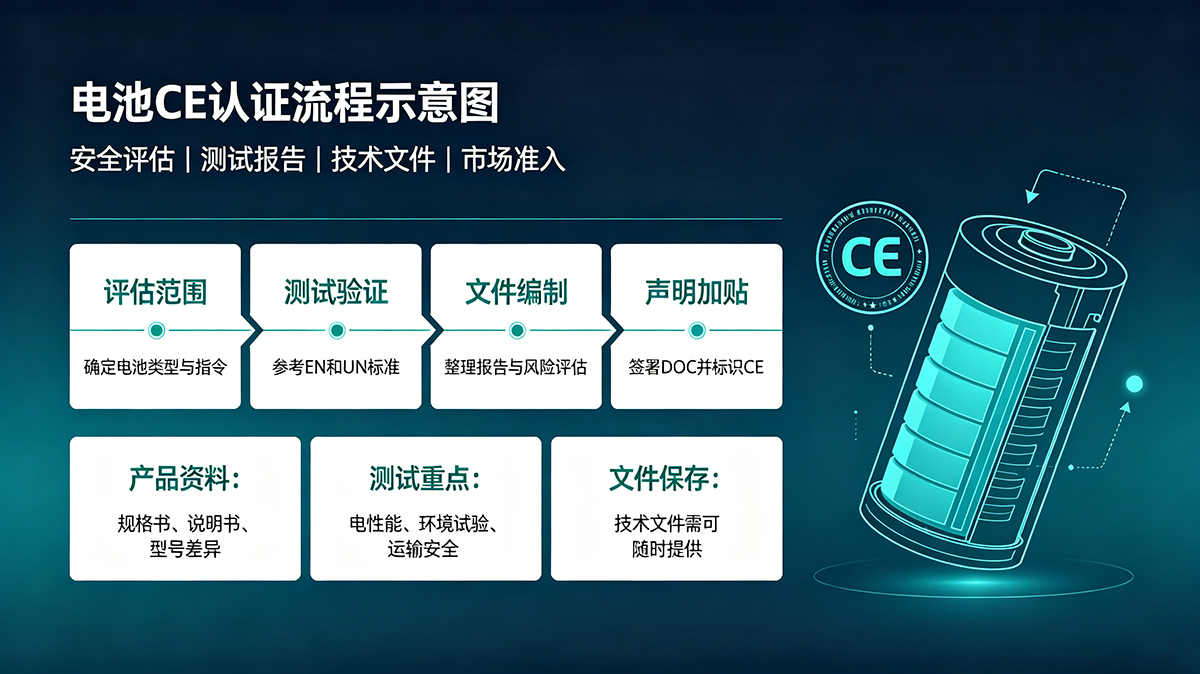
How to obtain the EU CE certification? Compliance Guide for Battery Exports to Europe
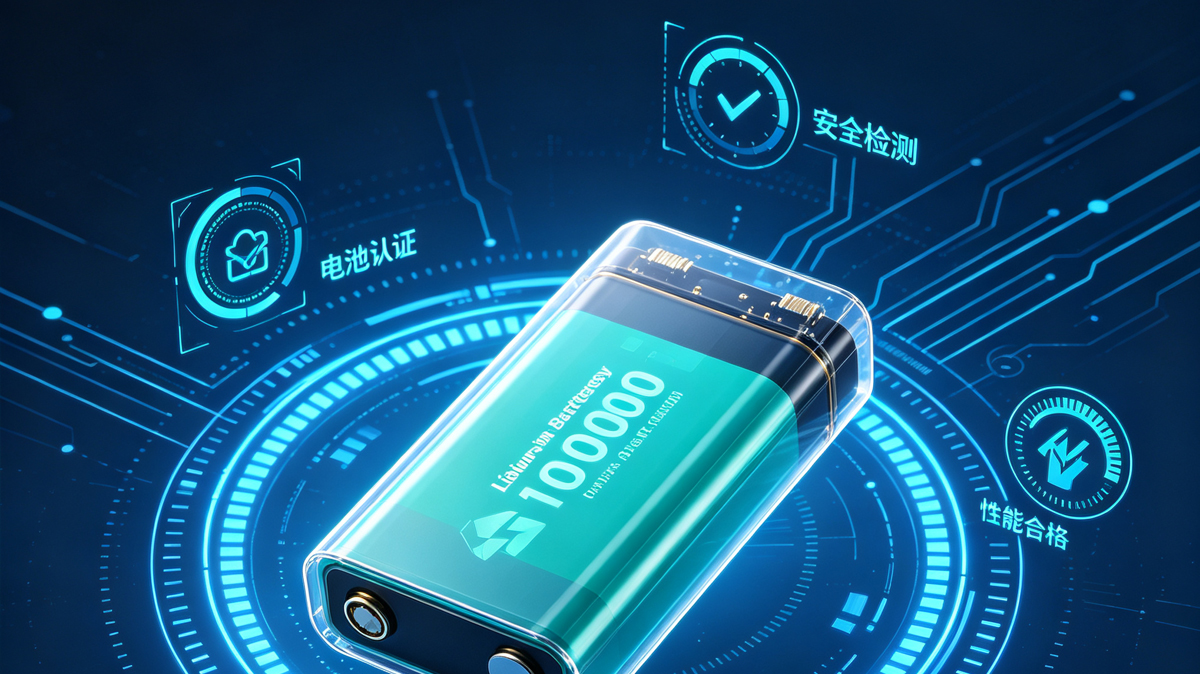
What certifications are required for battery exports to Europe? Key Points Analysis of CE Certification
The export of batteries to Europe requires not only production capacity but also compliance with the regulatory requirements of the target market. As an important compliance step in the European market, the EU CE certification requires enterprises to plan in combination with product types, safety standards and regulatory requirements.
How to obtain the EU CE certification? Compliance Guide for Battery Exports to Europe
For battery enterprises, entering the European market requires not only focusing on product performance but also attaching great importance to regulatory compliance. The EU CE certification is not only a testing requirement but also an important way for enterprises to establish a product safety system. Understanding the battery CE certification process in advance, clarifying the testing standards and improving the technical data can help enterprises reduce export risks and enhance the stability of their products entering the European market.
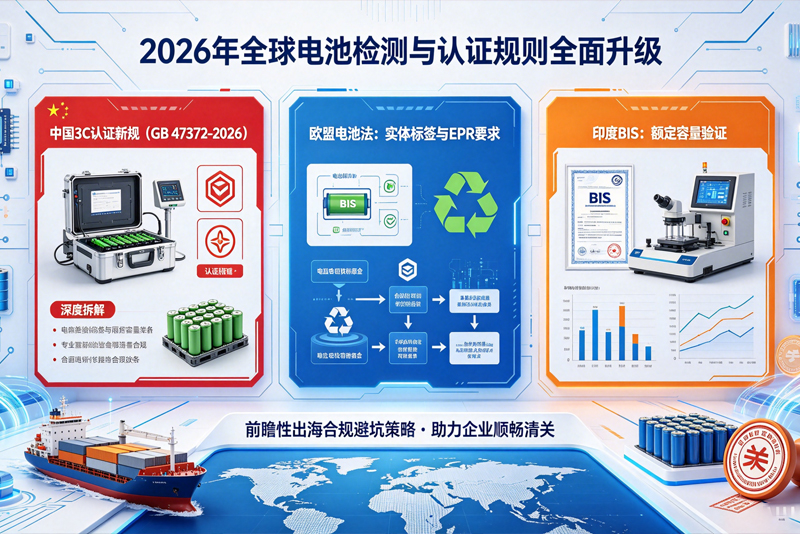
A Comprehensive Analysis of the New Battery Testing and Certification Regulations: Advanced Guidelines for Battery Customs Clearance and Compliance in Various Countries in 2026
With the continuous upgrading of global green and low-carbon transformation and consumer electronics safety regulation, the testing and certification standards of the battery industry have undergone an all-round iteration in 2026. From the update of the new national standards for domestic mobile power banks and the 3C certification rules, to the implementation of the entity labels under the new EU battery Law, and then to the tightening of testing requirements in emerging markets, major economies around the world are reshaping the battery supply chain with stricter "compliance access vouchers". This article provides you with an in-depth analysis of the new trends in global battery customs clearance and compliance in 2026, helping you make precise plans and break through to go global.
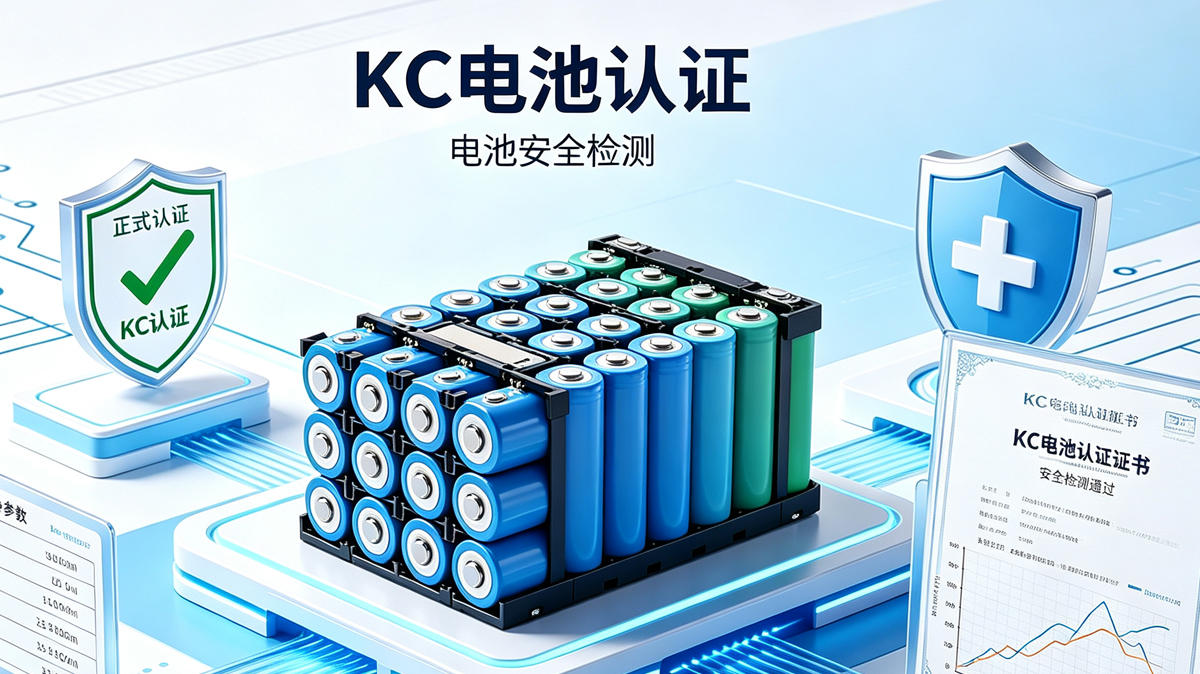
What certifications are required for battery exports to South Korea? Analysis of KC Certification Requirements
 Click:969编辑: 诚测检测CCJC
 Time:2026-08-12 15:14:34
KC certification is mainly used to prove that products comply with relevant safety requirements in South Korea and is an important compliance step for battery enterprises to enter the South Korean market.
The application scope of batteries is constantly expanding, and the certification requirements for different products vary.
Common products include:
Lithium batteries for consumer electronicsApplication
Mobile phone
Tablet computer
Laptop
Intelligent device
Key focus:
Battery safety
Protection design
Cyclic stability
The power bank includes both a battery and a charge and discharge management module.
The certification process usually focuses on:
Input and output safety
Battery protection function
Abnormal state control
For example:
Camera equipment
Tools and equipment
Small electronic products
The applicable requirements need to be confirmed in combination with the product's usage.
During the enterprise application process, the completeness of the materials is of great significance.
Usually, the following preparations are required:
Product Specification Sheet
Battery cell data
Battery structure information
Label information
Instruction Manual
Test-related documents
If there are many product models, it is necessary to manage the models in advance.
Because the differences between different models may affect the scope of certification.
Battery safety performance
Overcharge protection
Short-circuit protection
Temperature change
Mechanical safety
Battery structure design
Protect the circuit
Cell matching
Enclosure protection
Product consistency
When mass-producing, it is necessary to ensure that:
Consistent materials
Consistent parameters
Process stability
Certification does not merely focus on a single sample, but rather on the ability of a product to consistently meet requirements.
The model parameters are inconsistent
For example:
The capacity of the specification sheet is different from that of the actual product.
This kind of problem will lead to difficulties in the review.
The modified battery cells were not re-evaluated
The battery cell is an important component that affects safety.
If the supplier or model is changed, the impact needs to be reconfirmed.
Ignore the Korean label requirements
Product identification
Instructions for Use
Safety Tips
Avoid sales being affected by data issues.
For enterprises exporting to South Korea for the first time, the following ideas can be followed:
First of all, clarify the product positioning.
Consumer batteries, power banks and energy storage products need to be planned separately.
Secondly, prepare the technical materials in advance.
Complete materials can reduce the cost of certification communication.
Finally, consider the certification requirements during the product design stage.
This can prevent re-modification after mass production.
Understanding the product range, testing standards and application procedures is an important step for enterprises to reduce export risks.
For enterprises planning to enter the South Korean market, making KC battery certification plans in advance can help enhance product compliance capabilities and market stability.
相关BlOG
-
What certifications are required for battery exports to Europe? Key Points Analysis of CE Certification
The export of batteries to Europe requires not only production capacity but also compliance with the regulatory requirements of the target market. As an important compliance step in the European market, the EU CE certification requires enterprises to plan in combination with product types, safety standards and regulatory requirements.
9102026-07-10
-
How to obtain the EU CE certification? Compliance Guide for Battery Exports to Europe
For battery enterprises, entering the European market requires not only focusing on product performance but also attaching great importance to regulatory compliance. The EU CE certification is not only a testing requirement but also an important way for enterprises to establish a product safety system. Understanding the battery CE certification process in advance, clarifying the testing standards and improving the technical data can help enterprises reduce export risks and enhance the stability of their products entering the European market.
8042026-07-06
-
A Comprehensive Analysis of the New Battery Testing and Certification Regulations: Advanced Guidelines for Battery Customs Clearance and Compliance in Various Countries in 2026
With the continuous upgrading of global green and low-carbon transformation and consumer electronics safety regulation, the testing and certification standards of the battery industry have undergone an all-round iteration in 2026. From the update of the new national standards for domestic mobile power banks and the 3C certification rules, to the implementation of the entity labels under the new EU battery Law, and then to the tightening of testing requirements in emerging markets, major economies around the world are reshaping the battery supply chain with stricter "compliance access vouchers". This article provides you with an in-depth analysis of the new trends in global battery customs clearance and compliance in 2026, helping you make precise plans and break through to go global.
5812026-07-23