
 English
 中文

-

What are the battery certifications? What are the standards for battery certification
-
Leading Global Compliance: In-depth Dissection of the New IS/IEC 62368-1:2023 Electronic Safety Standard
-

2026 India BIS Update Barometer: Countdown to Mandatory Version Replacement for XR and Electronic Products
-
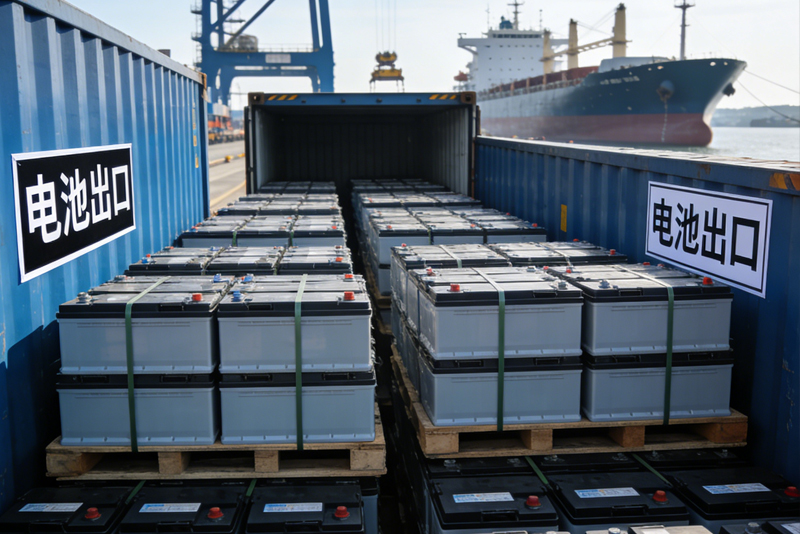
2026 Latest Guide: What Certification Materials are needed for Battery exports to the United States?
-
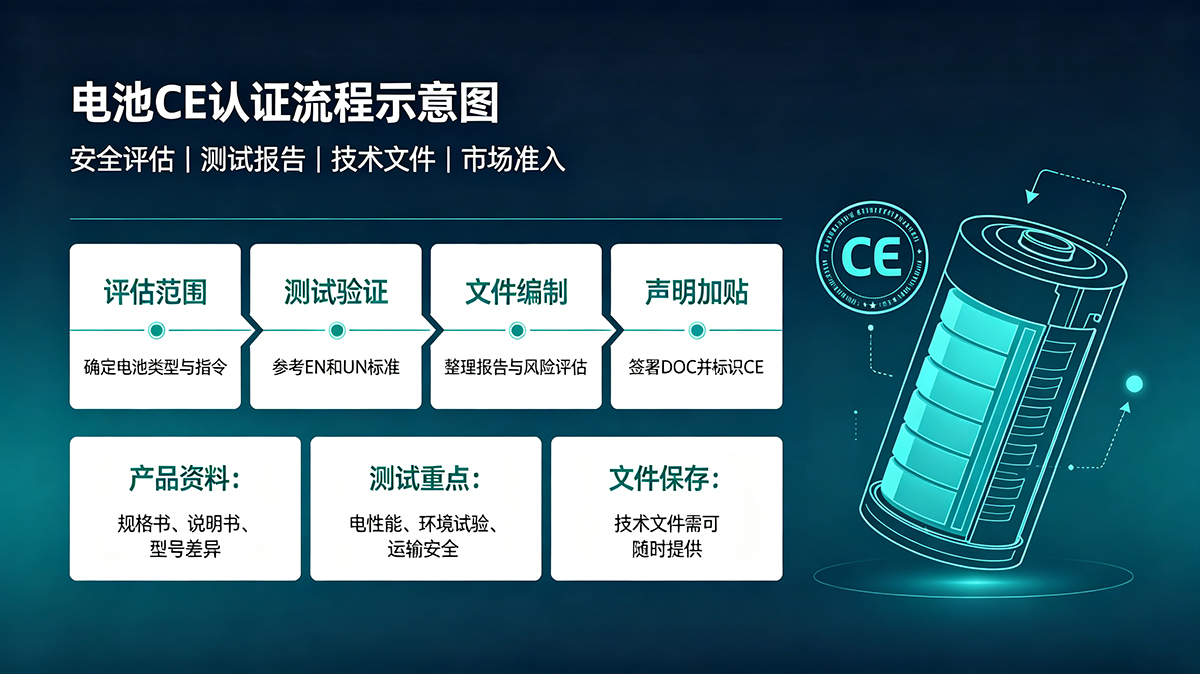
How to obtain the EU CE certification? Compliance Guide for Battery Exports to Europe
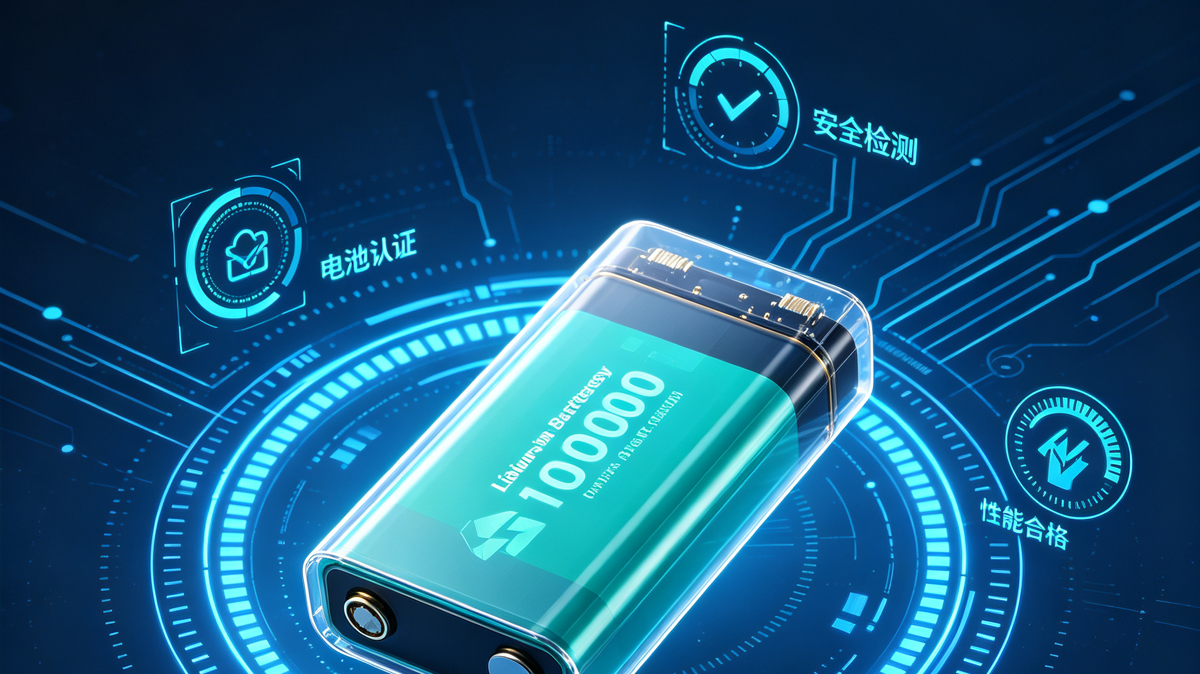
What certifications are required for battery exports to Europe? Key Points Analysis of CE Certification
The export of batteries to Europe requires not only production capacity but also compliance with the regulatory requirements of the target market. As an important compliance step in the European market, the EU CE certification requires enterprises to plan in combination with product types, safety standards and regulatory requirements.
How to obtain the EU CE certification? Compliance Guide for Battery Exports to Europe
For battery enterprises, entering the European market requires not only focusing on product performance but also attaching great importance to regulatory compliance. The EU CE certification is not only a testing requirement but also an important way for enterprises to establish a product safety system. Understanding the battery CE certification process in advance, clarifying the testing standards and improving the technical data can help enterprises reduce export risks and enhance the stability of their products entering the European market.
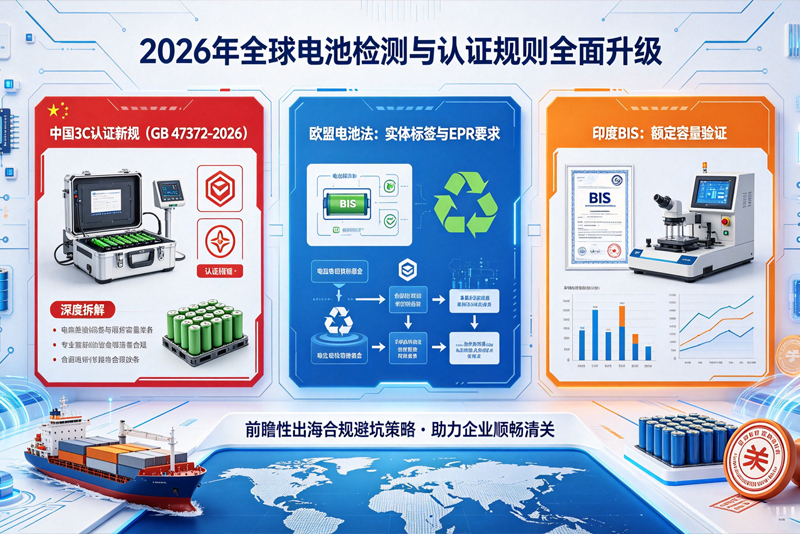
A Comprehensive Analysis of the New Battery Testing and Certification Regulations: Advanced Guidelines for Battery Customs Clearance and Compliance in Various Countries in 2026
With the continuous upgrading of global green and low-carbon transformation and consumer electronics safety regulation, the testing and certification standards of the battery industry have undergone an all-round iteration in 2026. From the update of the new national standards for domestic mobile power banks and the 3C certification rules, to the implementation of the entity labels under the new EU battery Law, and then to the tightening of testing requirements in emerging markets, major economies around the world are reshaping the battery supply chain with stricter "compliance access vouchers". This article provides you with an in-depth analysis of the new trends in global battery customs clearance and compliance in 2026, helping you make precise plans and break through to go global.
How can battery certification be processed more smoothly when exporting products with batteries?
 Click:76编辑: 诚测检测CCJC-电池认证检测机构
 Time:2026-11-09 10:14:16
From the actual export experience, the common problems of products with batteries are mainly concentrated in three links: First, the domestic customs declaration documents are incomplete; Second, the identification of air or sea transportation is not recognized. Thirdly, the import requirements of the destination country are inconsistent with the export data. If an enterprise only prepares materials according to the template, it is very likely to get stuck at some stage.

Battery products involve chemical properties, electrical safety and transportation safety. Different countries and regions have relatively strict management over them. Products with batteries may be blocked at customs declaration, detained, returned or have their shipping schedules delayed if they lack compliant documents.
Common bottlenecks include:
If the product category is not clearly defined, should batteries be exported separately or come with the device itself? Is it a lithium battery, a nickel-metal hydride battery, a lead-acid battery, or a small button battery? The applicable standards vary among different categories.
The inconsistency between the test report and the actual product, such as the model, rated capacity, voltage and manufacturer information not matching the shipped product, is a frequent mistake made by export enterprises.
Insufficient assessment of transportation conditions: Air, sea and land transportation have different requirements for packaging, marking and documentation of battery products. If enterprises do not conduct transportation appraisals in advance, it is easy to affect booking space.
The requirements of the destination country are not clear. There are differences in battery-related regulations and document requirements among regions such as the European Union, the United States, and Southeast Asia. Oral requests from customers cannot replace the verification of formal documents.
Before applying for battery certification, enterprises should first clarify these issues
1. Is the battery exported separately or together with the device?
This is the first judgment point. The requirements for the documentation of batteries exported separately and "equipment with batteries" are different. Enterprises cannot mix and use the same set of documentation.
2. To which countries or regions are the products exported?
Different destinations will affect the selection of standards and the combination of documents. For instance, the European Union may involve battery regulations, transportation safety and requirements related to electrical equipment; The United States may involve different categories such as UL and FCC; Different countries in Southeast Asia also have their own import compliance requirements.
3. Does the client have any specific laboratory or reporting requirements?
Some brand customers, importers or large purchasers will specify testing institutions or report formats. Enterprises should confirm the quotation before it is made to avoid the situation where the customer does not accept the report after it is completed.
4. Which mode of transportation is adopted?
Air transportation has strict requirements for lithium batteries, and sea transportation also has corresponding packaging and document requirements. The focus of the materials prepared by enterprises varies depending on the mode of transportation.
Iii. Common combinations of battery certification materials, enterprises can prepare according to export scenarios
The following contents are not fixed packages but are combined based on products and destinations:
Battery inspection report: Used to prove the safety performance and electrical performance of the battery;
UN 38.3 Test Summary: Commonly used in the assessment related to lithium battery air transportation;
Transportation Appraisal Certificate/Cargo Transportation Condition Appraisal Certificate: Helps enterprises determine the transportation category and packaging requirements;
MSDS/SDS: Describes the safety data of chemicals, and may be required in some scenarios.
Label and packaging information: including rated capacity, voltage, manufacturer, polarity, warning labels, etc.
Compliance documents of the destination country: such as local certification, registration or import supporting documents required by the customer.
Enterprises can understand battery certification as a "package of materials" rather than a single certificate. The key is that the data should be consistent and the reported model should correspond to the actual shipping model.
Iv. Practical Steps for Battery Certification Processing
Step 1: Confirm the product information
At least confirm the battery type, model, rated voltage, rated capacity, energy density, manufacturer, whether it contains a protection circuit, and whether it is exported with the equipment, etc. The more accurate the information is, the smoother the subsequent testing and review will go.
Step 2: Confirm the destination regulations and customer requirements
Enterprises should check the customer's requirements, the import requirements of the destination country and the transportation requirements side by side to avoid meeting only one of them.
Step 3: Select the appropriate testing items
Common inspection directions for battery products include: electrical safety, mechanical strength, environmental reliability, overcharge and overdischarge protection, short-circuit protection, thermal abuse, vibration, shock, etc. The specific project should be determined based on the product's application and destination.
Step 4: Organize the customs declaration and transportation documents
After the materials are prepared, the enterprise should uniformly check the reports, appraisal certificates, labels, packing lists, invoices and other documents to avoid inconsistencies in models, parameters and quantities.
Step 5: Keep the complete technical archives
Export enterprises should retain battery specification sheets, test reports, raw material information, production batch records and other materials. When encountering customer audits or customs verifications in the future, a complete file can reduce the cost of interpretation.
V. Common Misunderstandings in Battery Certification
Misconception 1: All products with batteries undergo the same certification
The certification paths vary depending on the type of battery, application scenarios, destinations and transportation methods. "Battery certification" should not be understood as a single certificate.
Misconception 2: The more expensive the report, the better
Enterprises should focus on whether the reports match the requirements of the products, customers and destinations, rather than blindly pursuing high-cost projects.
Misconception 3: As long as there is a report, it can definitely be exported
The report is only one of the basic materials. It is also necessary to make a comprehensive judgment by combining transportation appraisal, packaging marking, customs declaration materials and the import requirements of the destination country.
Misconception 4: It's more convenient to supplement materials at the last minute
Many enterprises only submit reports when booking space, which can easily lead to expedited costs and delay risks. It is recommended to sort out the compliance requirements as soon as the order is confirmed.
相关BlOG
-
What certifications are required for battery exports to Europe? Key Points Analysis of CE Certification
The export of batteries to Europe requires not only production capacity but also compliance with the regulatory requirements of the target market. As an important compliance step in the European market, the EU CE certification requires enterprises to plan in combination with product types, safety standards and regulatory requirements.
13162026-07-10
-
How to obtain the EU CE certification? Compliance Guide for Battery Exports to Europe
For battery enterprises, entering the European market requires not only focusing on product performance but also attaching great importance to regulatory compliance. The EU CE certification is not only a testing requirement but also an important way for enterprises to establish a product safety system. Understanding the battery CE certification process in advance, clarifying the testing standards and improving the technical data can help enterprises reduce export risks and enhance the stability of their products entering the European market.
12272026-07-06
-
A Comprehensive Analysis of the New Battery Testing and Certification Regulations: Advanced Guidelines for Battery Customs Clearance and Compliance in Various Countries in 2026
With the continuous upgrading of global green and low-carbon transformation and consumer electronics safety regulation, the testing and certification standards of the battery industry have undergone an all-round iteration in 2026. From the update of the new national standards for domestic mobile power banks and the 3C certification rules, to the implementation of the entity labels under the new EU battery Law, and then to the tightening of testing requirements in emerging markets, major economies around the world are reshaping the battery supply chain with stricter "compliance access vouchers". This article provides you with an in-depth analysis of the new trends in global battery customs clearance and compliance in 2026, helping you make precise plans and break through to go global.
12072026-07-23