
 English
 中文
-

What are the battery certifications? What are the standards for battery certification
-
Leading Global Compliance: In-depth Dissection of the New IS/IEC 62368-1:2023 Electronic Safety Standard
-
2026 India BIS Update Barometer: Countdown to Mandatory Version Replacement for XR and Electronic Products
-
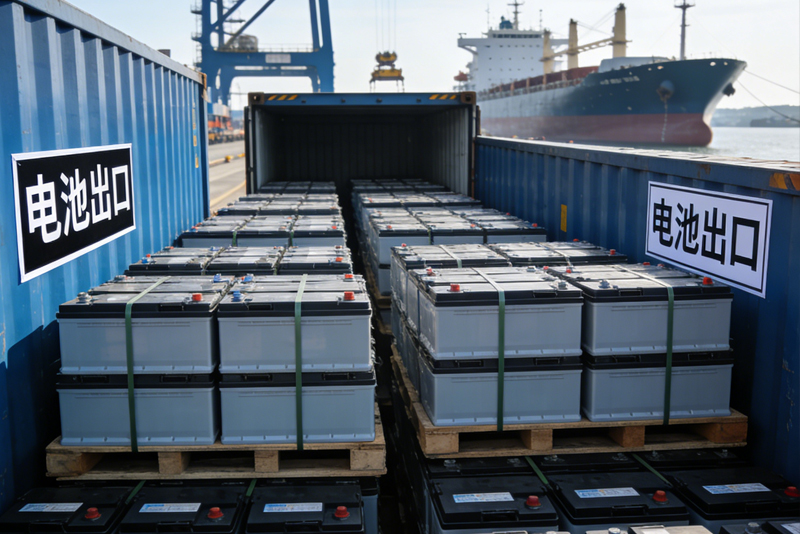
2026 Latest Guide: What Certification Materials are needed for Battery exports to the United States?
-
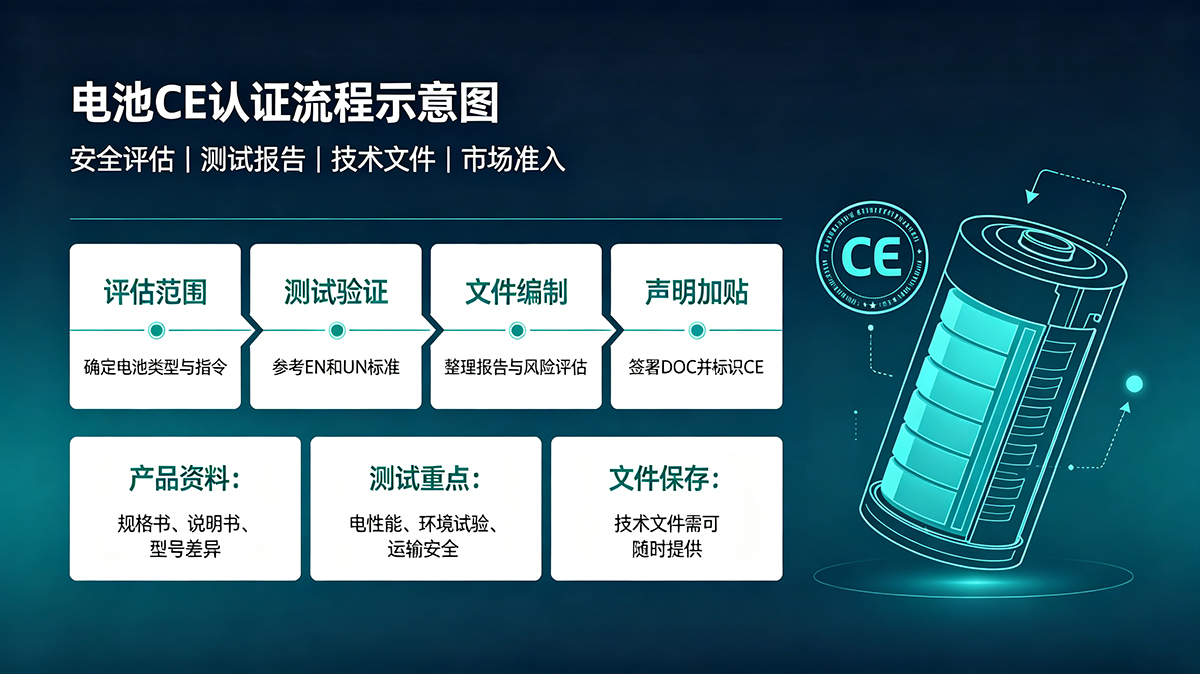
How to obtain the EU CE certification? Compliance Guide for Battery Exports to Europe
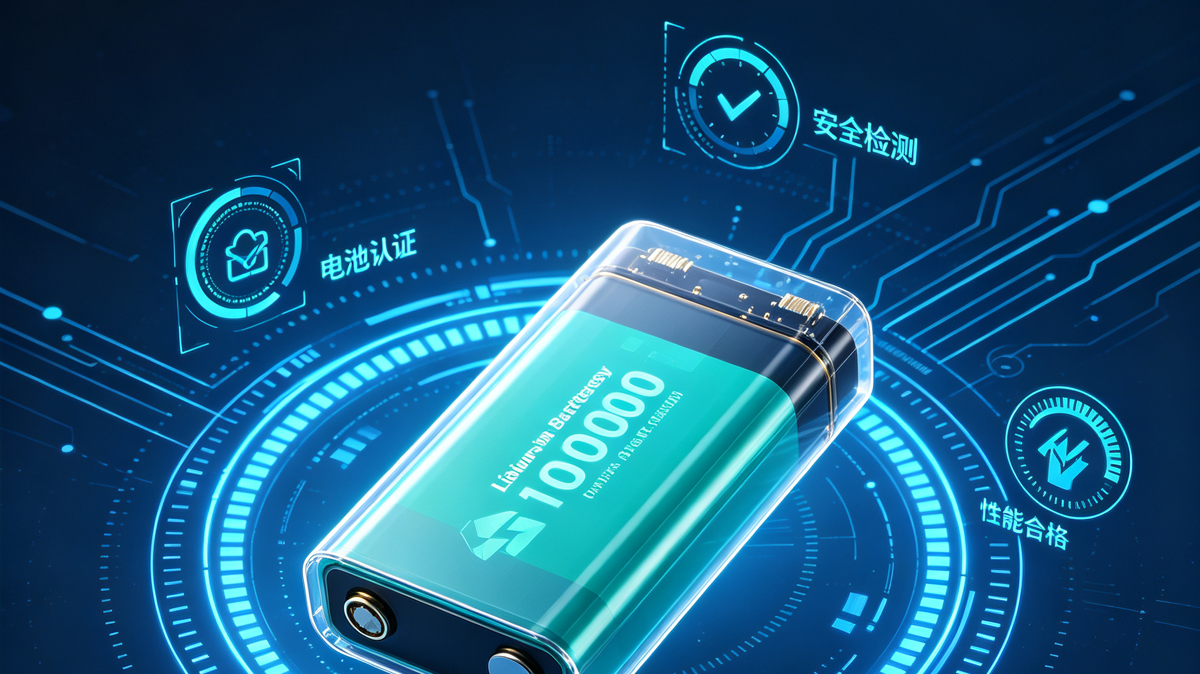
What certifications are required for battery exports to Europe? Key Points Analysis of CE Certification
The export of batteries to Europe requires not only production capacity but also compliance with the regulatory requirements of the target market. As an important compliance step in the European market, the EU CE certification requires enterprises to plan in combination with product types, safety standards and regulatory requirements.
How to obtain the EU CE certification? Compliance Guide for Battery Exports to Europe
For battery enterprises, entering the European market requires not only focusing on product performance but also attaching great importance to regulatory compliance. The EU CE certification is not only a testing requirement but also an important way for enterprises to establish a product safety system. Understanding the battery CE certification process in advance, clarifying the testing standards and improving the technical data can help enterprises reduce export risks and enhance the stability of their products entering the European market.
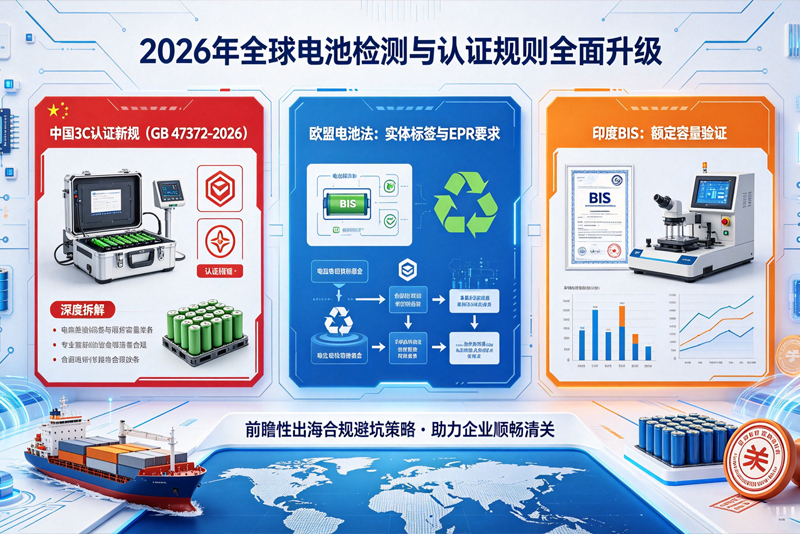
A Comprehensive Analysis of the New Battery Testing and Certification Regulations: Advanced Guidelines for Battery Customs Clearance and Compliance in Various Countries in 2026
With the continuous upgrading of global green and low-carbon transformation and consumer electronics safety regulation, the testing and certification standards of the battery industry have undergone an all-round iteration in 2026. From the update of the new national standards for domestic mobile power banks and the 3C certification rules, to the implementation of the entity labels under the new EU battery Law, and then to the tightening of testing requirements in emerging markets, major economies around the world are reshaping the battery supply chain with stricter "compliance access vouchers". This article provides you with an in-depth analysis of the new trends in global battery customs clearance and compliance in 2026, helping you make precise plans and break through to go global.
Compliance Key Points and Market Access Analysis of Lithium Battery Certification in the Small Household Appliances Industry
 Click:105编辑: 诚测检测CCJC-电池认证检测机构
 Time:2026-11-03 10:41:09
With the enrichment of small household appliances, consumers' demands for portability, wireless technology and long battery life are constantly increasing. As an important power component, lithium batteries are widely used in electric toothbrushes, vacuum cleaners, handheld vacuum cleaners, beauty devices, kitchen small appliances and other products. Meanwhile, the safety and compliance issues of lithium batteries have also drawn increasing attention from enterprises.
For small household appliance enterprises, lithium battery certification is not merely a certificate, but a crucial link related to product launch, supply chain management, quality control and market trust. There are differences in requirements for battery capacity, labeling, instructions, transportation and safety testing among different countries and regions. Enterprises need to establish a clear compliance path at the product design stage.
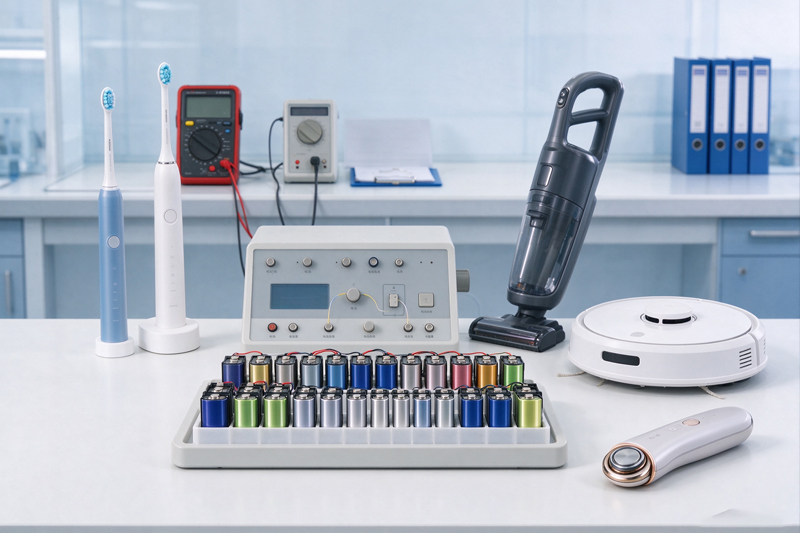
1. Related product compliance and market access
When small household appliances enter different markets, they usually need to comply with local electrical safety, electromagnetic compatibility and battery-related regulations. As a part of the power supply system, the safety performance of lithium batteries will directly affect the overall evaluation result of the machine.
If the battery part does not meet the requirements, it may result in the product failing to pass the test, having its certification postponed or being recalled after going on sale. Therefore, lithium battery certification should be incorporated into the product development plan as early as possible instead of being supplemented before mass production.
2. Affect the safety assessment of the entire machine
Lithium battery safety involves multiple dimensions such as overcharging, overdischarging, short circuit, compression, and thermal runaway. In the complete machine certification of small household appliances, batteries are often one of the key review objects.
For instance, during the charging and operation of handheld vacuum cleaners and sweeping robots, the batteries will undergo continuous discharging and load changes. If the protection logic of the battery management system is not perfect, it may increase the risk of abnormal heating, bulging and even safety accidents.
3. Relationship supply chain stability
Small household appliance enterprises usually do not directly produce battery cells but purchase battery cells, battery packs or finished battery packs for assembly. During the lithium battery certification process, enterprises need to confirm whether the supplier's qualifications, the consistency of the specification sheet, the label information and the test data are complete.
Once key battery suppliers fail to provide valid certification materials, enterprises may face risks such as material replacement, retesting and project delays. Therefore, battery certification is also an important part of supply chain management.
Ii. What lithium battery certification contents should small household appliance enterprises pay attention to
1. Safety performance testing
Lithium battery safety tests typically include items such as overcharge protection, overdischarge protection, short-circuit protection, overcurrent protection, compression, needle puncture, thermal cycling, vibration and drop. The specific test requirements will vary depending on the product category, battery type and target market.
When enterprises choose battery suppliers, they should require the other party to provide a complete test report and verify whether the battery cell model, capacity, size, protection circuit and application scope in the report are consistent with the actual materials.
2. Marking and instruction manual requirements
The information labels of lithium batteries and their installation on small household appliances usually involve contents such as model, capacity, voltage, manufacturer information, warning instructions and recycling information. The manual may also require the inclusion of instructions on the safe use, charging, handling and disposal of the battery.
Many product certifications fail not because of battery performance issues, but due to incomplete labels, instructions and technical materials. Enterprises should simultaneously organize this information during the design stage.
3. Transportation and Market Rules
When transporting lithium battery products, the relevant requirements for air, sea and land transportation also need to be taken into consideration. In particular, there are clear rules for battery-powered products in terms of transportation classification, packaging, labeling and documentation.
For small household appliance enterprises, when exporting products, they should not only pay attention to safety regulations certification, but also assess whether the battery packaging and accompanying documents are complete in combination with transportation requirements.
Iii. Common Misunderstandings in Lithium Battery Certification in the Small Household Appliances Industry
Misconception 1: Having a battery cell report is sufficient
Many enterprises believe that as long as the battery cells pass the inspection, there will be no problem with the entire machine. In fact, the battery pack also includes protection boards, connecting wires, terminals, structural components and potting materials, and these parts will also affect the safety assessment results.
Misconception 2: Certification materials can be universally replaced
Batteries of different models, capacities and suppliers usually cannot simply mix and match certification materials. Even if they look similar, differences in battery cell systems, protection circuits and manufacturing processes may still lead to variations in results.
Misconception 3: Once certified, there is no need for management
Lithium battery certification is not a one-time job. During the mass production process of the product, if there are changes in the battery model, supplier, BOM or process, the enterprise needs to assess whether re-testing or updating the certification information is necessary.
Iv. How to Improve the Efficiency of Lithium Battery Certification
Establish a battery bill of materials management system
Enterprises should establish a battery bill of materials, recording the cell model, supplier, capacity, voltage, protection plan, casing material, key components and certification data number. In this way, during project review and changes, the scope of impact can be quickly located.
2. Communicate with the testing institution in advance
The certification paths vary among different markets and product categories. When enterprises communicate with testing institutions at the early stage of a project, they can clarify the testing scope, data requirements and time nodes, reducing the need for supplementary testing later.
3. Keep complete technical archives
Lithium battery certification requires a large amount of technical materials, including specification sheets, circuit diagrams, Boms, labels, instruction manuals, test reports and factory inspection materials. Enterprises should establish complete archives to facilitate subsequent audits and extended certifications.
The significance of lithium battery certification for small household appliance enterprises is no longer confined to the documentation level, but runs through the entire process from product design, supply chain, production to market access. Enterprises should regard it as part of their product quality system rather than merely a threshold for going public.
For small household appliance enterprises that hope to stably enter the market, the earlier they attach importance to lithium battery certification, the more they can reduce the risks of later rectification. Only by managing battery safety, data integrity and supply chain consistency well can products complete compliance evaluations more smoothly.
相关BlOG
-
What certifications are required for battery exports to Europe? Key Points Analysis of CE Certification
The export of batteries to Europe requires not only production capacity but also compliance with the regulatory requirements of the target market. As an important compliance step in the European market, the EU CE certification requires enterprises to plan in combination with product types, safety standards and regulatory requirements.
13162026-07-10
-
How to obtain the EU CE certification? Compliance Guide for Battery Exports to Europe
For battery enterprises, entering the European market requires not only focusing on product performance but also attaching great importance to regulatory compliance. The EU CE certification is not only a testing requirement but also an important way for enterprises to establish a product safety system. Understanding the battery CE certification process in advance, clarifying the testing standards and improving the technical data can help enterprises reduce export risks and enhance the stability of their products entering the European market.
12272026-07-06
-
A Comprehensive Analysis of the New Battery Testing and Certification Regulations: Advanced Guidelines for Battery Customs Clearance and Compliance in Various Countries in 2026
With the continuous upgrading of global green and low-carbon transformation and consumer electronics safety regulation, the testing and certification standards of the battery industry have undergone an all-round iteration in 2026. From the update of the new national standards for domestic mobile power banks and the 3C certification rules, to the implementation of the entity labels under the new EU battery Law, and then to the tightening of testing requirements in emerging markets, major economies around the world are reshaping the battery supply chain with stricter "compliance access vouchers". This article provides you with an in-depth analysis of the new trends in global battery customs clearance and compliance in 2026, helping you make precise plans and break through to go global.
12072026-07-23