
 English
 中文
-

What are the battery certifications? What are the standards for battery certification
-
Leading Global Compliance: In-depth Dissection of the New IS/IEC 62368-1:2023 Electronic Safety Standard
-
2026 India BIS Update Barometer: Countdown to Mandatory Version Replacement for XR and Electronic Products
-
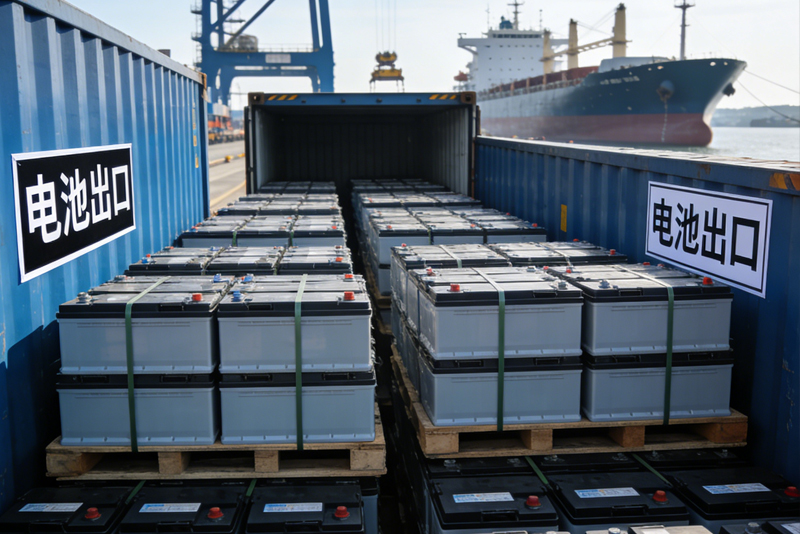
2026 Latest Guide: What Certification Materials are needed for Battery exports to the United States?
-
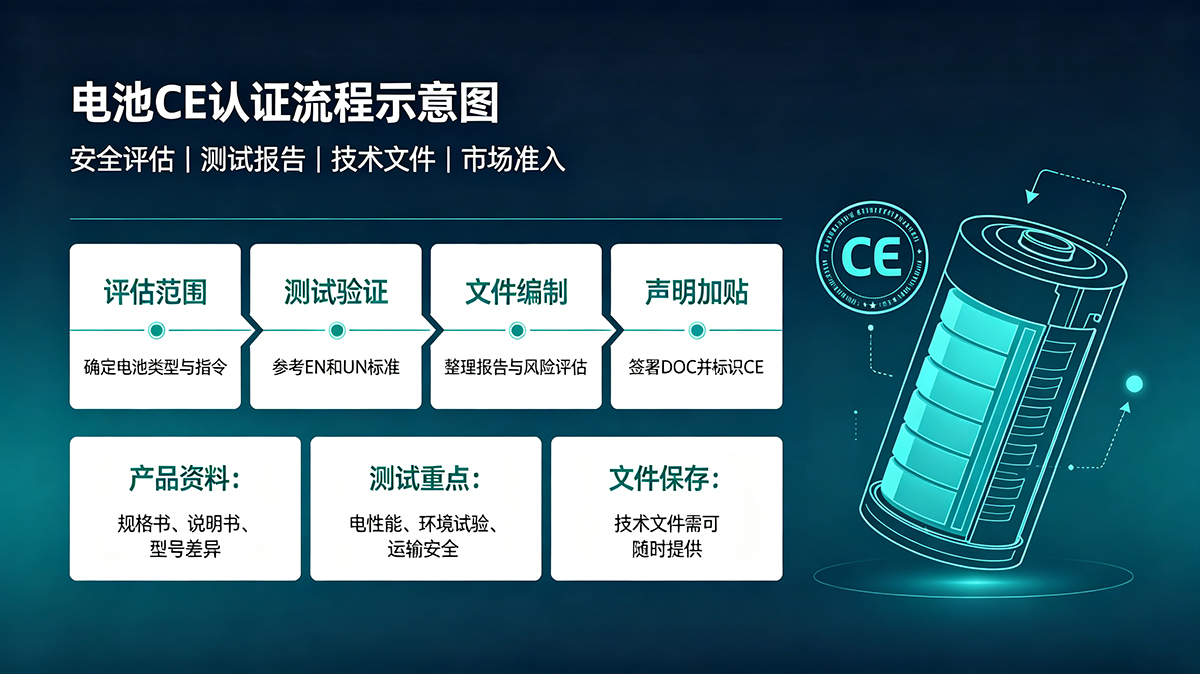
How to obtain the EU CE certification? Compliance Guide for Battery Exports to Europe
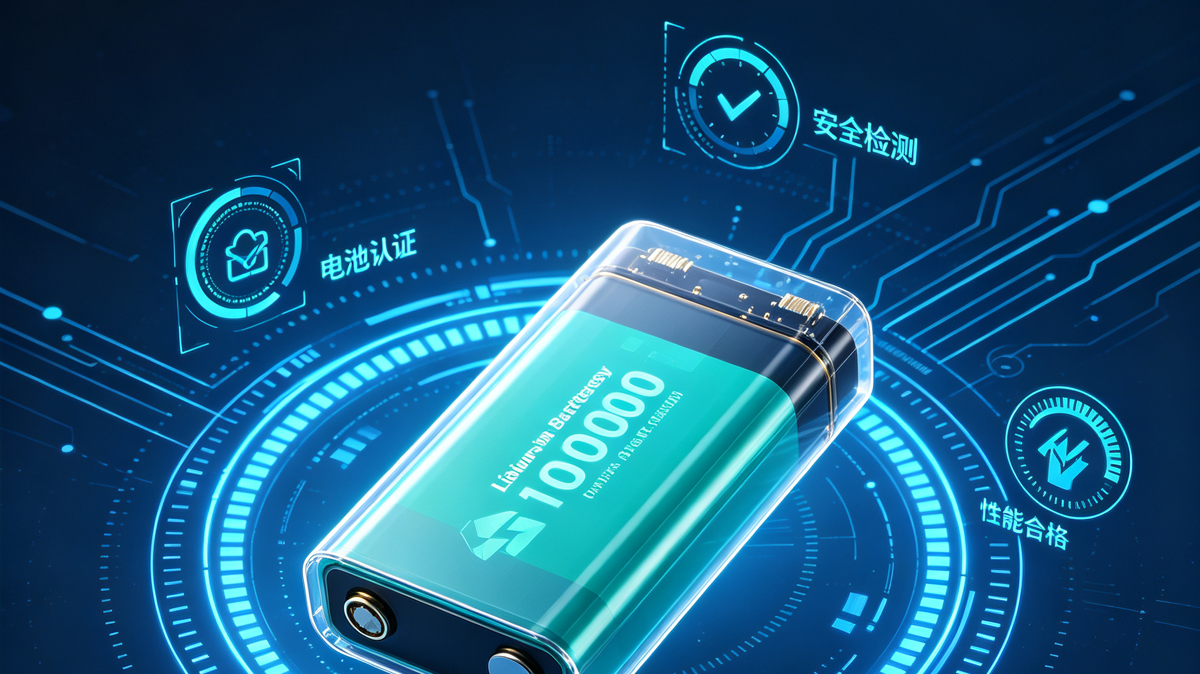
What certifications are required for battery exports to Europe? Key Points Analysis of CE Certification
The export of batteries to Europe requires not only production capacity but also compliance with the regulatory requirements of the target market. As an important compliance step in the European market, the EU CE certification requires enterprises to plan in combination with product types, safety standards and regulatory requirements.
How to obtain the EU CE certification? Compliance Guide for Battery Exports to Europe
For battery enterprises, entering the European market requires not only focusing on product performance but also attaching great importance to regulatory compliance. The EU CE certification is not only a testing requirement but also an important way for enterprises to establish a product safety system. Understanding the battery CE certification process in advance, clarifying the testing standards and improving the technical data can help enterprises reduce export risks and enhance the stability of their products entering the European market.
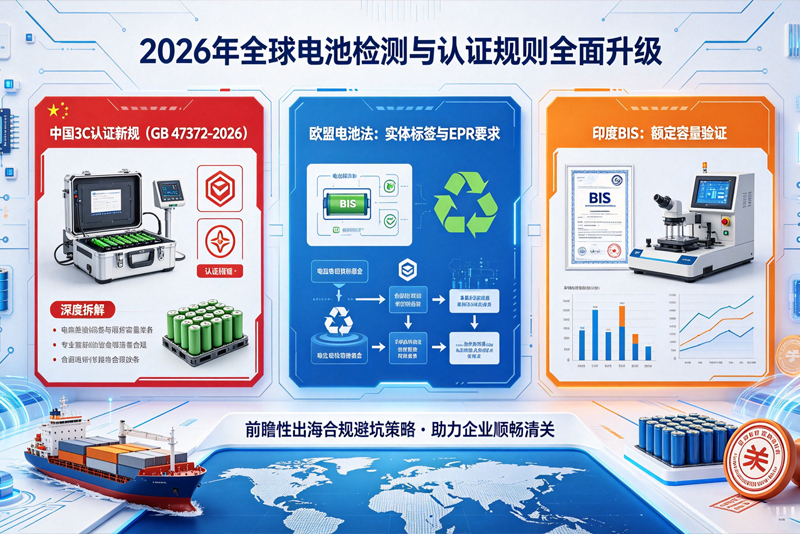
A Comprehensive Analysis of the New Battery Testing and Certification Regulations: Advanced Guidelines for Battery Customs Clearance and Compliance in Various Countries in 2026
With the continuous upgrading of global green and low-carbon transformation and consumer electronics safety regulation, the testing and certification standards of the battery industry have undergone an all-round iteration in 2026. From the update of the new national standards for domestic mobile power banks and the 3C certification rules, to the implementation of the entity labels under the new EU battery Law, and then to the tightening of testing requirements in emerging markets, major economies around the world are reshaping the battery supply chain with stricter "compliance access vouchers". This article provides you with an in-depth analysis of the new trends in global battery customs clearance and compliance in 2026, helping you make precise plans and break through to go global.
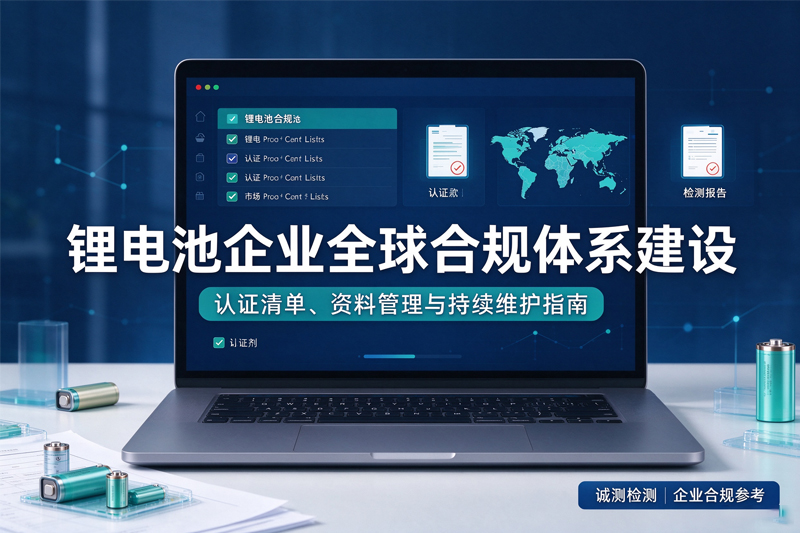
Global compliance system construction for lithium battery enterprises: Certification list, data management and continuous maintenance
 Click:257编辑: 诚测检测CCJC-电池认证机构
 Time:2026-10-15 15:29:56
For lithium battery enterprises, it is not difficult to complete a certification once in a while. The challenge lies in how to maintain compliance continuously after their products enter multiple markets. With the increase in product models, the expansion of target markets, and the update of standard versions, many enterprises will encounter problems such as scattered certificates, difficulty in finding materials, and inability to respond quickly when customers inquire. Establishing a global compliance system for lithium batteries essentially means transforming certification from a "project-based" approach to a "regular management" one.
The enterprise compliance system is not a complex set of management regulations, but a fundamental management mechanism established around products, markets, data and certificates. When a customer asks whether a certain model has the certification of a certain country, the enterprise should be able to quickly find out the scope of the certificate, the standard version and the validity period.
I. Why do lithium battery enterprises need to establish a global compliance system?
When the number of product models increases, the certification status is prone to confusion. Lithium battery enterprises usually sell products of multiple capacities, voltages and application scenarios simultaneously. If each model applies for certification sporadically, over time, it will become unclear who has the certificate, who doesn't, and which markets the certificates cover.
2. Different markets have different requirements. The management paths for lithium batteries in markets such as the European Union, the United States, South Korea, and Japan are different. Enterprises cannot use the same set of materials to cover all markets. Establishing a compliance system can help enterprises sort out mandatory requirements, customer requirements and transportation requirements in accordance with the market.
3. Standard updates will affect the validity of certificates. Battery-related standards will be updated along with technological development and regulatory adjustments. If an enterprise does not have a continuous maintenance mechanism, old certificates may not be able to support new orders.
4. Customer and supply chain audits are becoming increasingly detailed. More and more overseas customers will require enterprises to provide certificates, reports, labels and technical materials. If a company's data management is in a mess, it may affect the results of customer reviews.
Ii. Core Modules of the Global Compliance System for Lithium Batteries
Module One: Product Compliance List Enterprises should establish basic information cards for each lithium battery product, including product name, model, capacity, voltage, power, application scenarios, BMS functions, and whether it has wireless functions, etc. This is the basis for the subsequent determination of the scope of certification. The clearer the product information is, the more accurate the certification assessment will be.
Module Two: Market Access List Enterprises should organize certification items by target market, such as CE, FCC, KC, PSE, etc. At the same time, distinguish between mandatory projects, customer-required projects and transportation-related projects. It is recommended to use table management to avoid omissions.
Module 3: Technical Data Pool Technical data includes specification sheets, circuit diagrams, Boms, label diagrams, instruction manuals, product photos, test reports, certificates, etc. The key to data management is not "storing", but "being able to find quickly". Enterprises should classify and file products by model and market.
Module Four: Certificate Maintenance Mechanism Certificate maintenance should at least focus on the validity period, standard version, model coverage, and change situations. If there are changes in product design, components or production processes, enterprises should reevaluate whether they have affected the original certificates.
Iii. How can enterprises establish a global compliance management process for lithium batteries?
The first step: Sort out the existing products and certificates. First, take stock of what lithium battery products the enterprise currently has, what certifications each product has obtained, and which markets and models the certificates cover. Only after this step is completed can enterprises know which products have a clear compliance status and which have gaps.
Step 2: Establish a basic product profile. It is recommended to create a unified profile for each product, which should at least include product parameters, key components, BMS functions, structural descriptions, application scenarios, and target markets. The more complete the basic archives are, the higher the assessment efficiency of the subsequent testing institutions will be.
Step 3: Establish a certification matrix by market. Enterprises can create a matrix of certification requirements for different markets, with product models horizontally and markets and certification items vertically. In this way, when accepting orders, it is possible to quickly determine whether supplementary certification is needed.
Step 4: Standardize the document submission process. Before submitting the documents, the enterprise should conduct an internal verification to ensure that the samples, labels, instructions and document parameters are consistent. Many certification supplements are not due to product performance issues, but rather inconsistent data and information.
Step 5: Regularly review the status of certificates. Enterprises should regularly check the validity period, standard version and product range of certificates. Especially for models with large shipment volumes, special attention should be paid to maintenance. For certificates that are about to expire or face standard revision, an assessment should be arranged in advance.
Iv. Common Misconceptions: A compliance system is not "the more certificates, the better"
Misconception 1: All products undergo full set certification. Enterprises should select certification projects based on their target markets and product categories instead of blindly conducting full set tests.
Misconception 2: Once the certificate is obtained, there is no need to manage it. The certificate is merely a proof of compliance status at a certain stage. Product changes, standard updates and variations in market requirements may all affect its effectiveness.
Misconception 3: One person is responsible for data management. Lithium battery certification data involves multiple links such as product, R&D, procurement, sales, and compliance. It is best for enterprises to establish rules for shared documents and unified numbering.
Misconception Four: The compliance system only serves large clients. Even small and medium-sized clients may be required to provide certificates, reports, and label materials. The more complete the basic compliance system is, the faster the sales team can respond to customers.
V. The Actual Value of the enterprise after establishing the system
In the early stage of expanding its overseas market, a certain lithium battery enterprise had to have multiple departments temporarily search for information every time a customer inquired. Later, the enterprise established a product compliance list and certificate management table, uniformly managing product models, target markets, certificate status and data directories. After the adjustment, the enterprise's response speed to customer inquiries has significantly improved, and repetitive testing and data replenishment have also decreased. This case demonstrates that the construction of a global compliance system for lithium batteries is not only aimed at meeting certification requirements but also at enhancing the internal management efficiency of enterprises.
Lithium battery enterprises should do a good job in global market layout and not treat certification as a one-off task. Establishing a product compliance list, market access list, technical data pool and certificate maintenance mechanism is the core content of the global compliance system for lithium batteries. For enterprises that are continuously expanding their overseas markets, the global certification management capability of lithium batteries will directly affect the efficiency of order taking, the results of customer audits, and the stability of export compliance. Chengce Testing suggests that enterprises start from the basic list and gradually form a replicable and maintainable compliance management approach.
相关BlOG
-
What certifications are required for battery exports to Europe? Key Points Analysis of CE Certification
The export of batteries to Europe requires not only production capacity but also compliance with the regulatory requirements of the target market. As an important compliance step in the European market, the EU CE certification requires enterprises to plan in combination with product types, safety standards and regulatory requirements.
13162026-07-10
-
How to obtain the EU CE certification? Compliance Guide for Battery Exports to Europe
For battery enterprises, entering the European market requires not only focusing on product performance but also attaching great importance to regulatory compliance. The EU CE certification is not only a testing requirement but also an important way for enterprises to establish a product safety system. Understanding the battery CE certification process in advance, clarifying the testing standards and improving the technical data can help enterprises reduce export risks and enhance the stability of their products entering the European market.
12272026-07-06
-
A Comprehensive Analysis of the New Battery Testing and Certification Regulations: Advanced Guidelines for Battery Customs Clearance and Compliance in Various Countries in 2026
With the continuous upgrading of global green and low-carbon transformation and consumer electronics safety regulation, the testing and certification standards of the battery industry have undergone an all-round iteration in 2026. From the update of the new national standards for domestic mobile power banks and the 3C certification rules, to the implementation of the entity labels under the new EU battery Law, and then to the tightening of testing requirements in emerging markets, major economies around the world are reshaping the battery supply chain with stricter "compliance access vouchers". This article provides you with an in-depth analysis of the new trends in global battery customs clearance and compliance in 2026, helping you make precise plans and break through to go global.
12072026-07-23